Magic in video games—when it's done right—can make you feel like the most powerful being in the universe. Sure, there's something satisfying about a perfectly timed sword swing or a well-aimed headshot, but the sheer spectacle of conjuring fireballs from thin air or turning an entire battlefield into a frozen slip-n-slide hits different. Over the years, developers have come up with spellcasting systems that range from simple menu selections to full-on rune-drawing madness. As we sit here in 2026, these magical combat mechanics still stand tall as some of the most creative, chaotic, and downright hilarious ways to obliterate your digital foes. So grab your wizard hat (or just your keyboard), because we’re diving into the best magic combat systems gaming has ever seen.
Forspoken: The Game’s Saving Grace
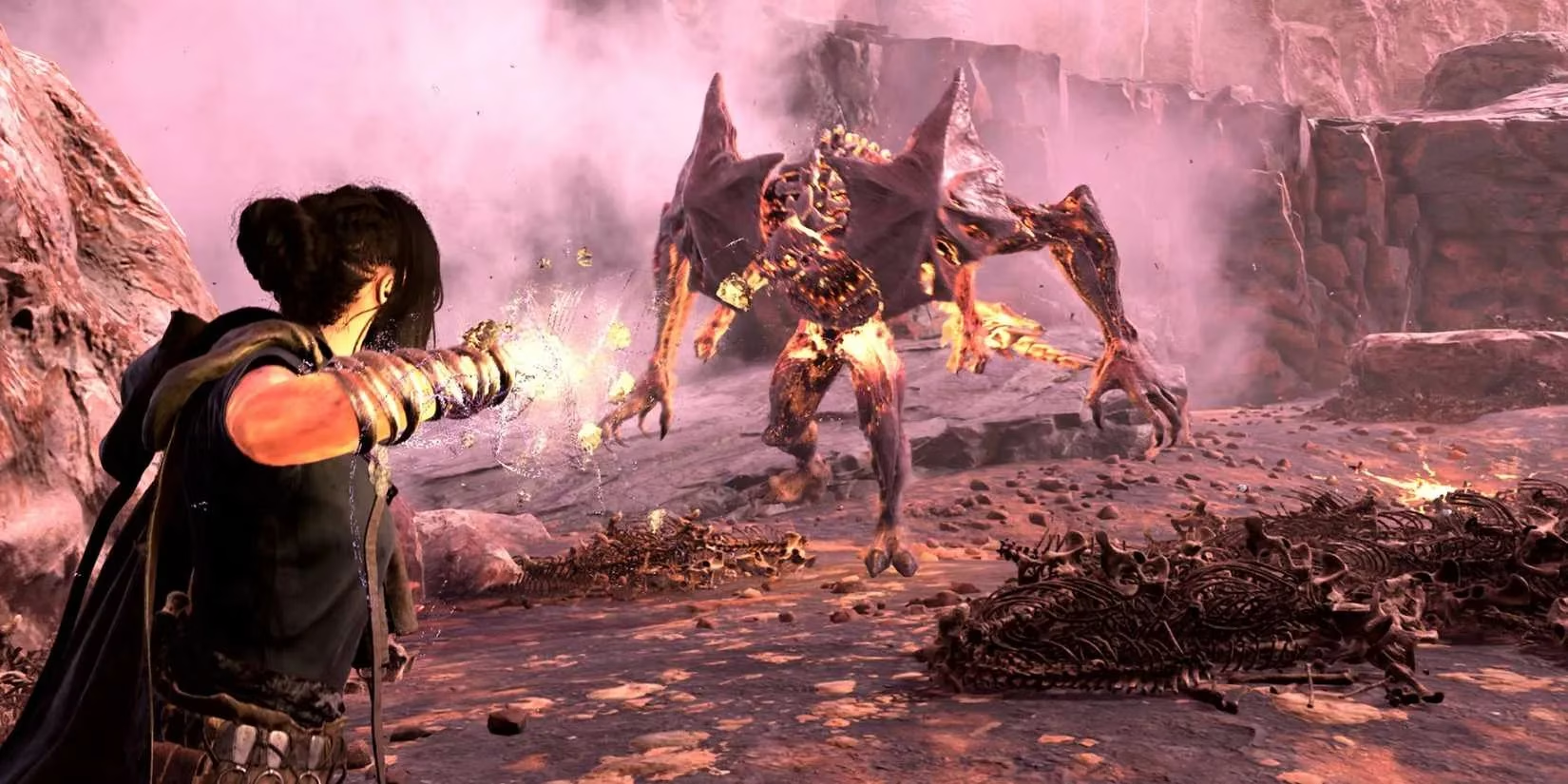
Let’s be real—Forspoken had more rough edges than a broken pixel, but one thing it absolutely nailed was the magic. The spellcasting-based combat feels like a fireworks show on fast-forward, encouraging you to constantly switch up elements to exploit enemy weaknesses while the screen erupts in a symphony of particle effects. It’s shallow, sure, like a puddle that looks like an ocean, but what a pretty puddle it is. If Square-Enix ever decides to port this system into a better game, they’d have a certified banger on their hands. As of 2026, it’s still the go-to example of style over substance done almost right.
Wizard of Legend: The Fastest Spellslinger
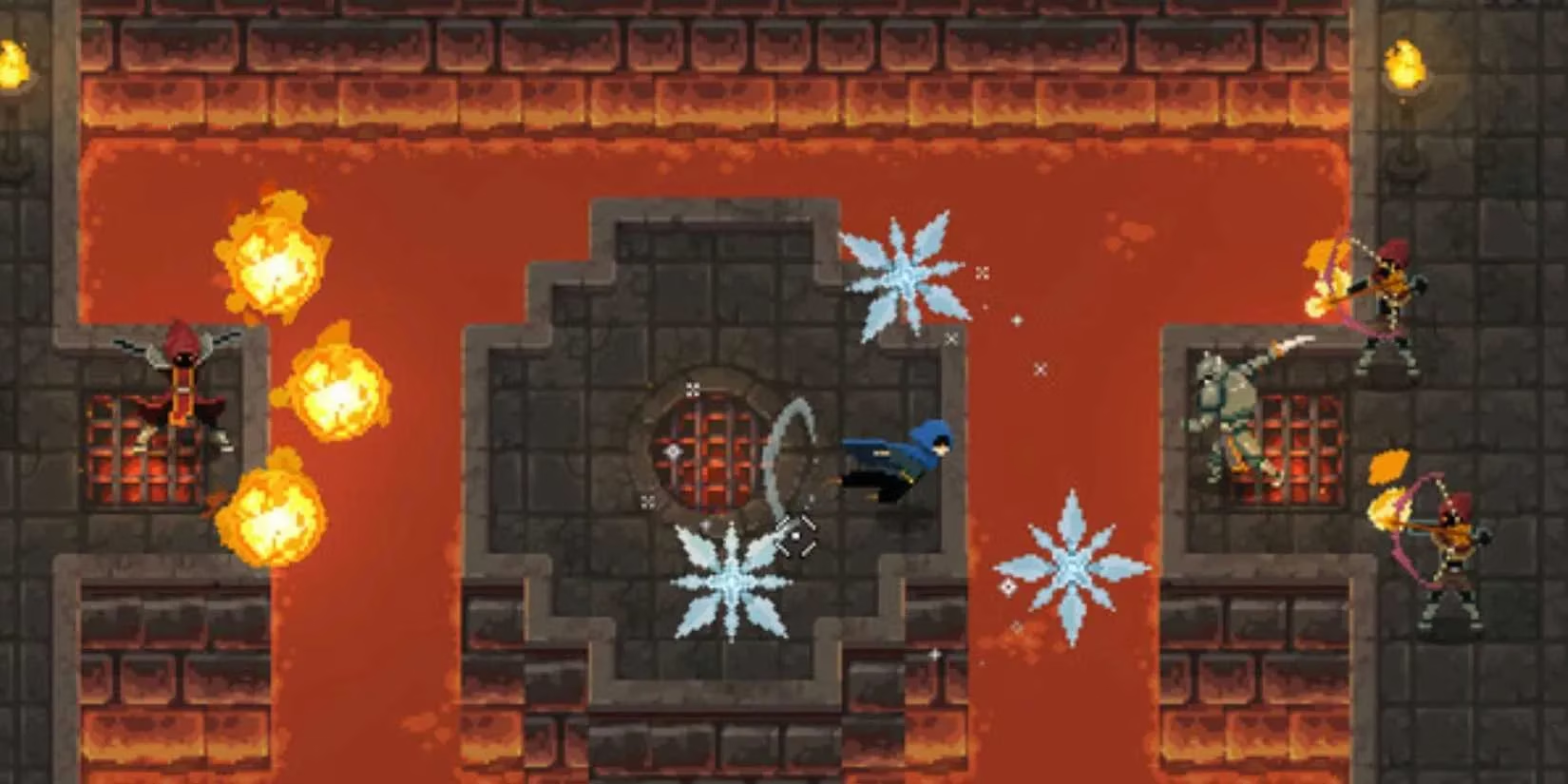
Some games know exactly what they are, and Wizard of Legend is one of them. It chucks you into the Chaos Trials with an arsenal of spells that scream “experiment now, ask questions later.” Mixing and matching abilities to chain combos feels so satisfying it should be illegal. The moment-to-moment gameplay is pure, unadulterated arcade bliss—fast, flashy, and moreish. And holy moly, there’s a sequel on the horizon (maybe already out in 2026!) that promises to crank everything up a notch. If you haven’t tried it yet, what are you even doing?
Dark Messiah of Might and Magic: Magic That Just Feels Right
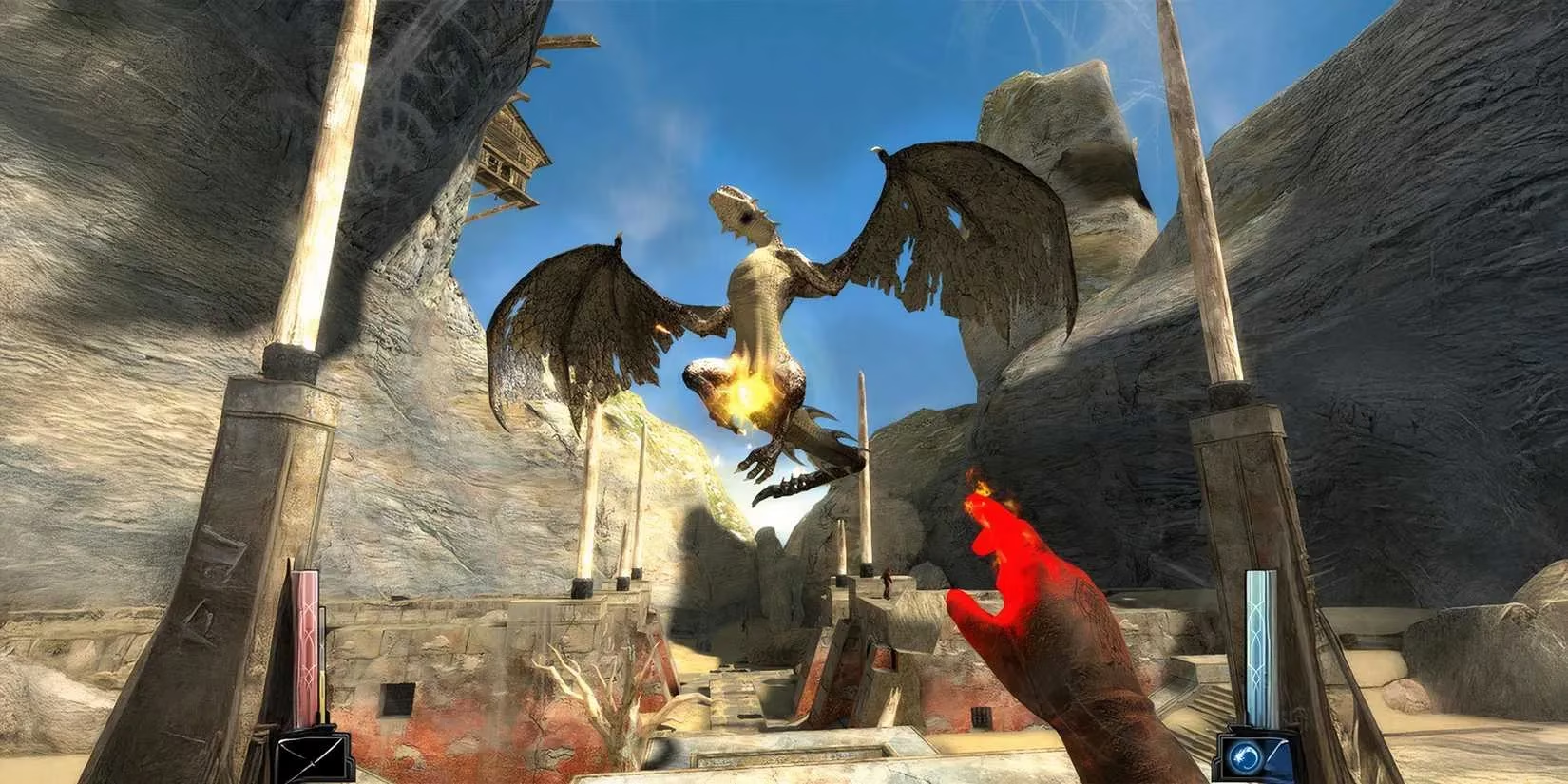
Dark Messiah is that game where you boot an orc off a cliff and cackle like a maniac. While the melee gets all the glory, the magic system is a physics-driven playground of chaos. Yanking an enemy with Telekinesis and lobbing them across the room like a magical version of Half-Life 2’s gravity gun? Chef’s kiss. Freezing the floor so foes slip into the abyss like cartoon characters? Comedy gold. It’s the kind of over-the-top fun that never ages, and in 2026, it still feels fresher than half the AAA titles on the market.
The Elder Scrolls III: Morrowind: Make Your Own Chaos
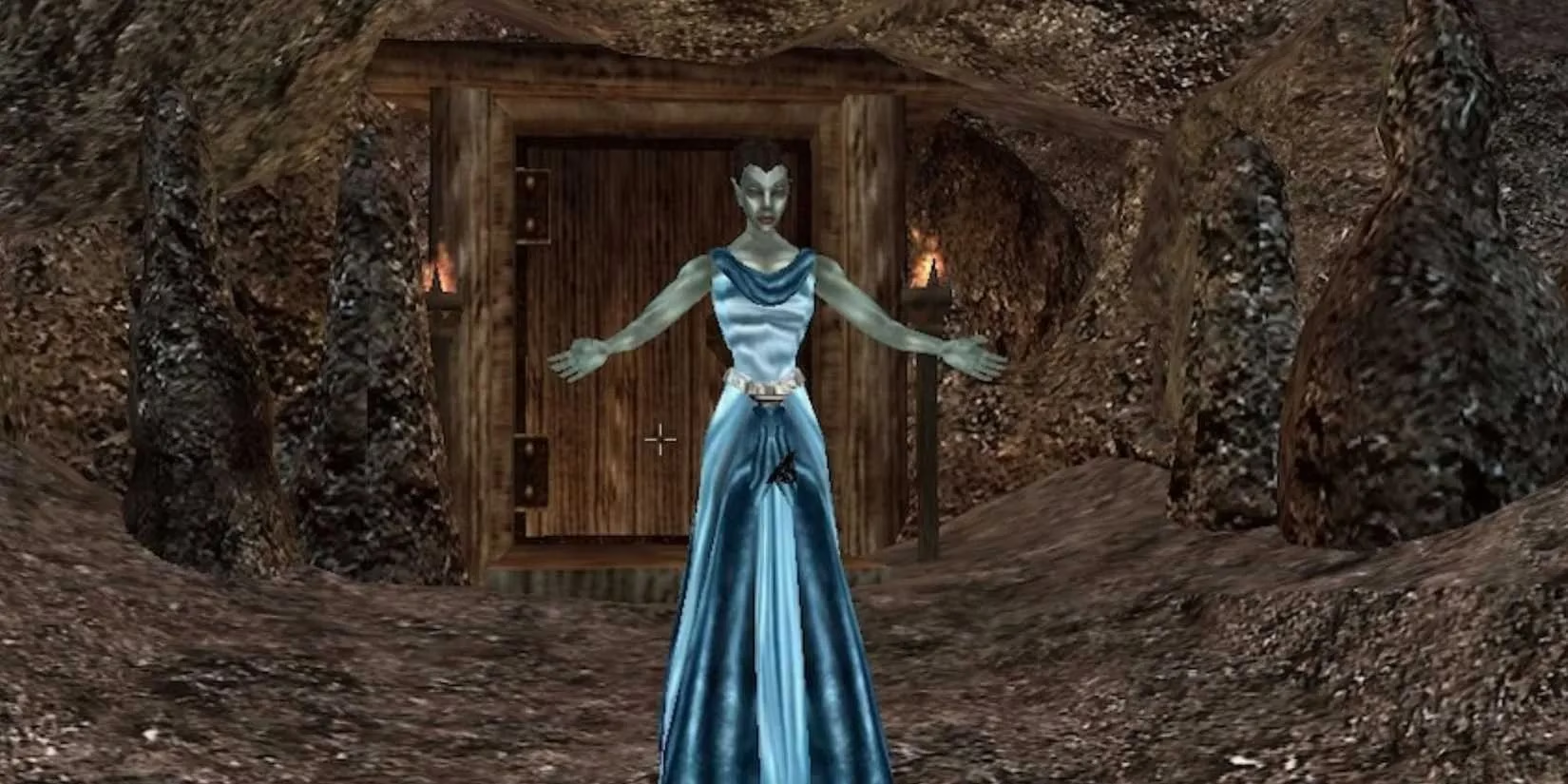
Let’s face it—combat in The Elder Scrolls has always been about clicking until something dies. But when it comes to magic, Morrowind is the OG mad scientist’s laboratory. The spell-crafting system here is the stuff of legend: you can combine existing spells using captured souls to create brand-new, game-breaking abominations. Want to make every enemy in a ten-mile radius float helplessly? Done. Summon a small army of Atronachs for an impromptu fiery rave? Easy peasy. Build a fireball that also deals ice and lightning damage while you fly overhead? Now you’re thinking with portals. The possibilities are as endless as your imagination, making Morrowind’s magic system a sandbox of creativity that modern games still struggle to match.
Lichdom: Battlemage: Particles Everywhere
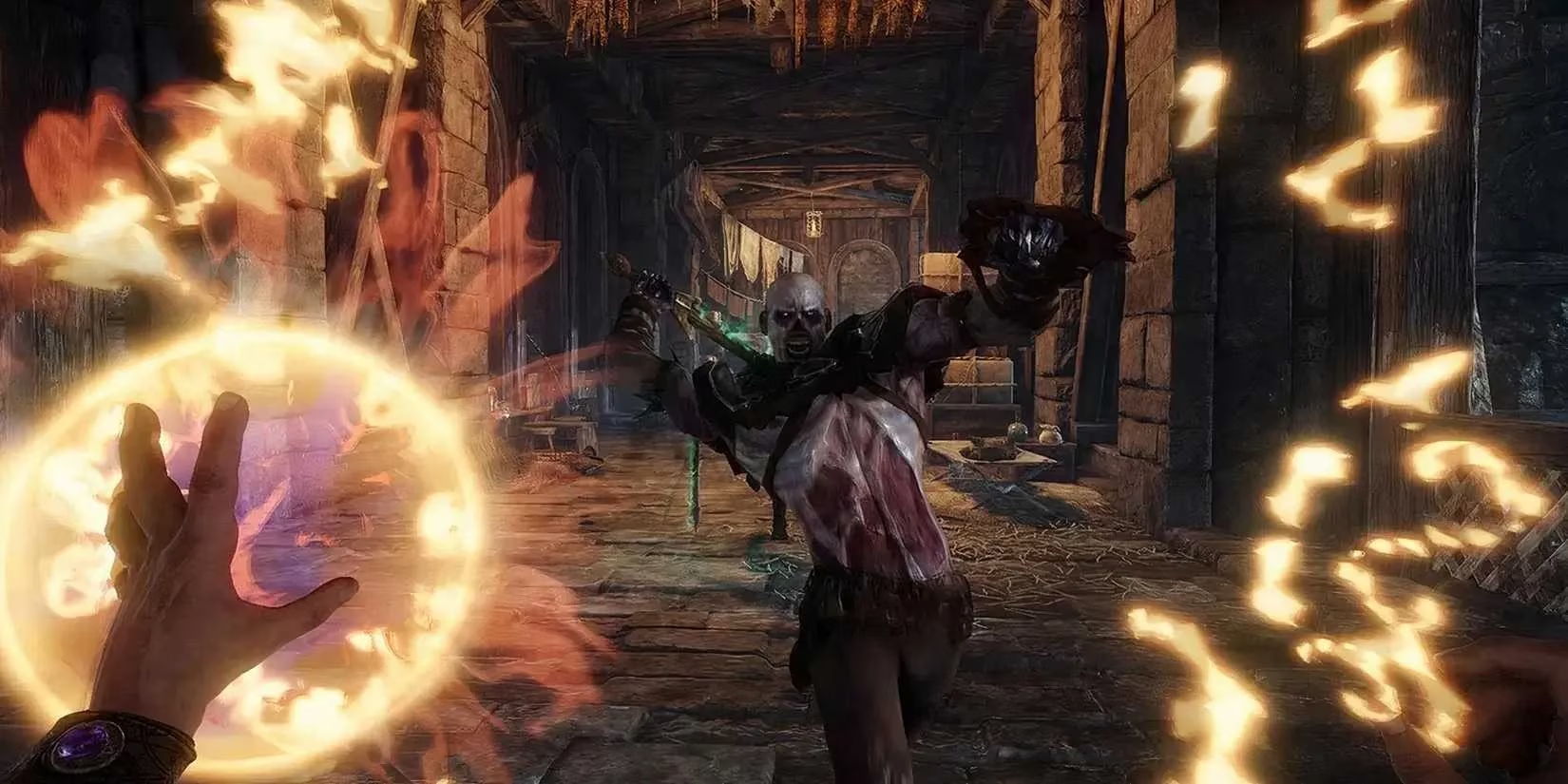
What if you took Morrowind’s spell customisation and built an entire game around it, ditching swords, shields, and all that boring stuff? Enter Lichdom: Battlemage. This hidden gem lets you craft spells by tweaking effects and combining elements until you’re hurling explosive death from your fingertips like a caffeinated demigod. Everything is first-person, so every meteor strike and frost nova feels deliciously impactful. Granted, it’s not the most polished gem in the crown, but the sheer creativity and particle-fueled spectacle make it a must-play for anyone who’s ever dreamed of being a proper battlemage.
Magicka: Do Cross the Beams!
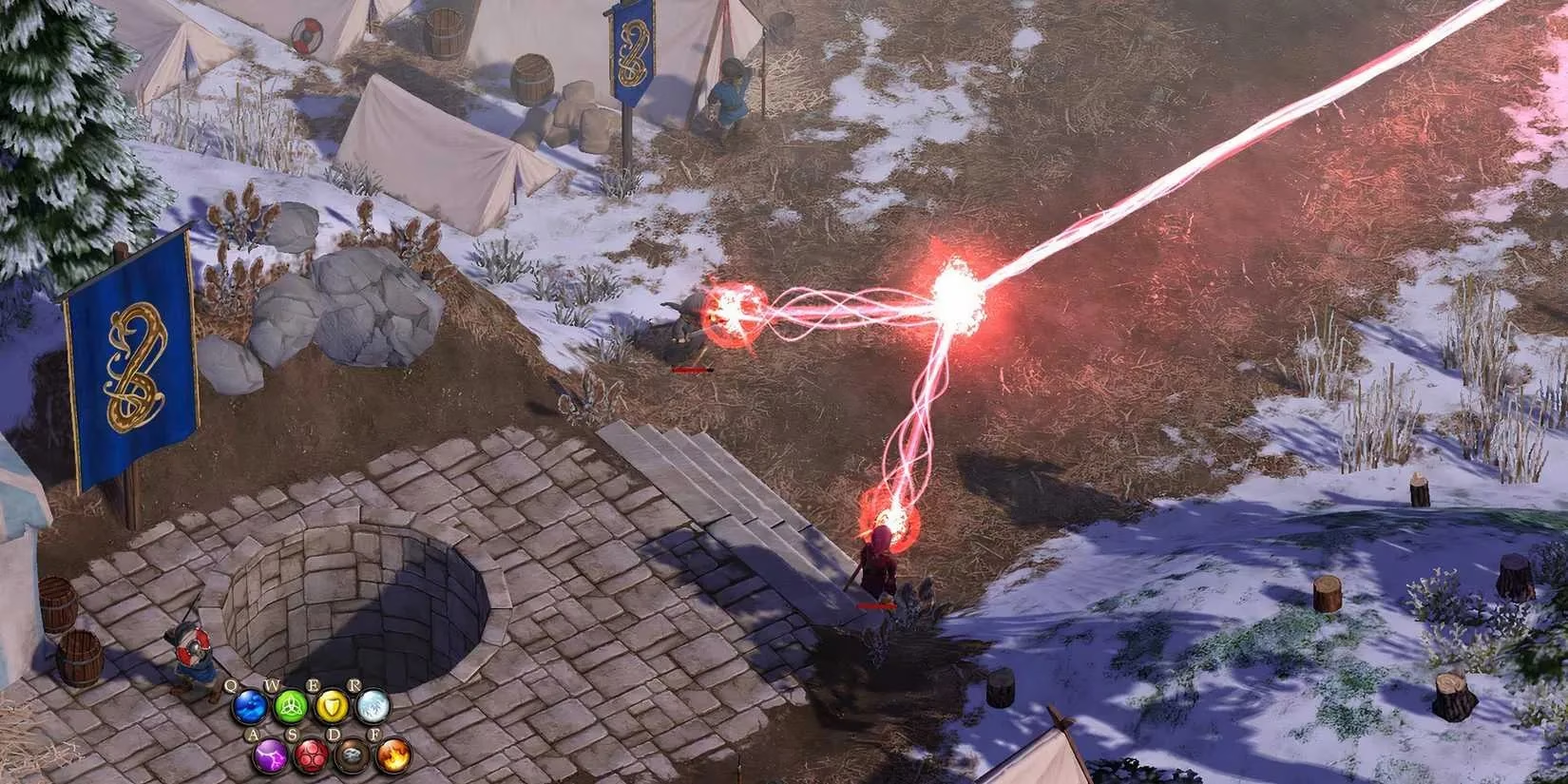
Magicka is what happens when you give four wizards a keyboard and zero safety instructions. Instead of picking spells from a menu, you conjure magic on the fly using eight elemental inputs—each tied to a different key. Combine them just right, and you’ll summon everything from simple fireballs to thunderous lightning storms. The real kicker? Friendly fire is always on, so expect to accidentally vaporize your buddy in the most hilarious ways possible. Playing Magicka feels like conducting a magical orchestra where everyone’s instruments are on fire. And in 2026, it’s still the ultimate party game for people who enjoy a side of chaos with their cooperation.
Path of Exile: Endless Magical Possibilities
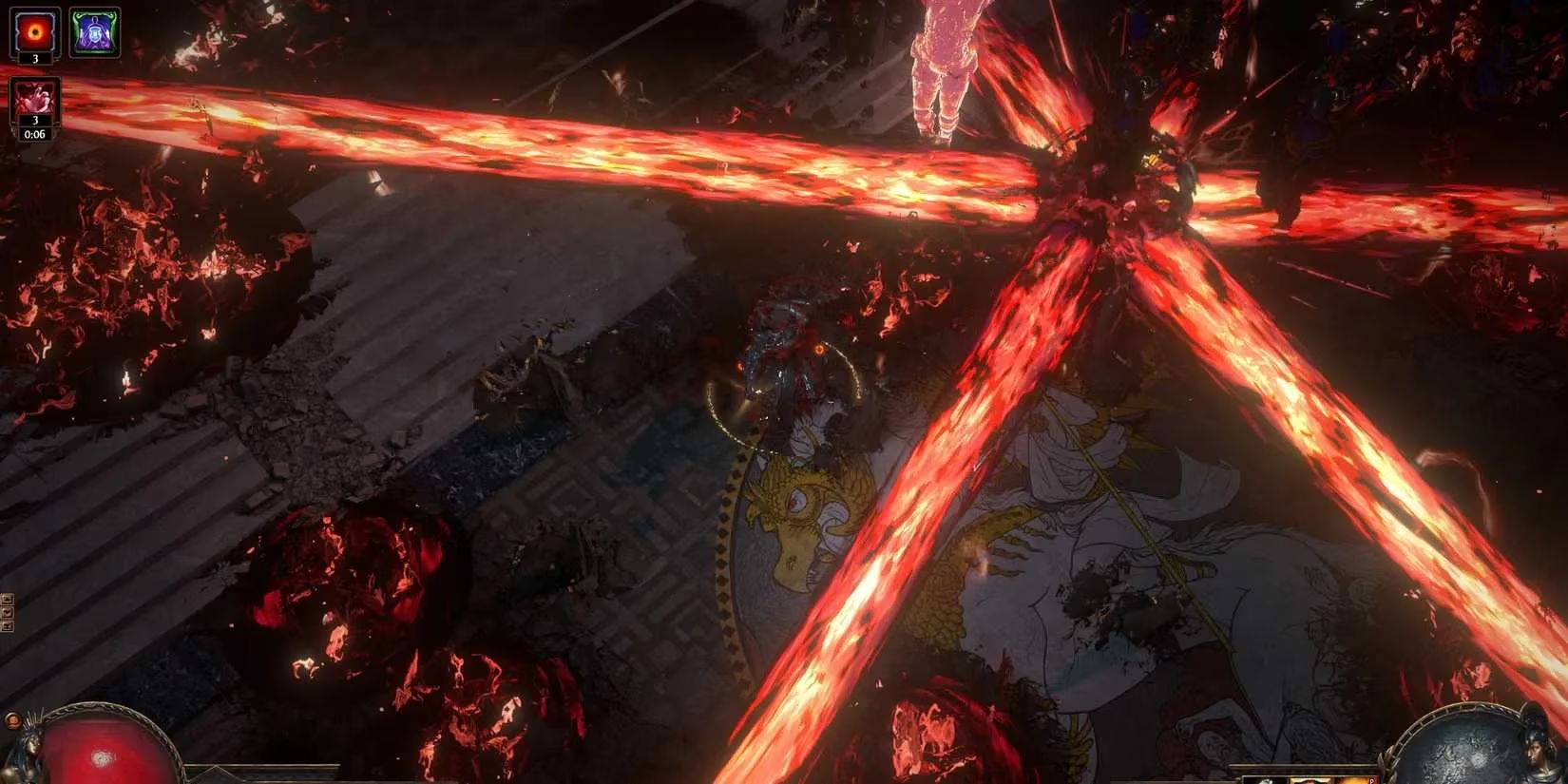
Path of Exile’s reputation for ridiculous depth extends way beyond its passive skill tree. The spellcasting system, powered by support gems, is a tinkerer’s paradise. Slap in a gem that makes your fireball split into a dozen smaller projectiles, or turn a single-target zap into a screen-wide explosion—it’s all possible. The result? Absolute bedlam. Hordes of minions tearing across the battlefield, elemental blasts that turn your monitor into a light show, and a sense of power that hits like a truck. Even in 2026, with countless ARPGs trying to steal its crown, PoE’s magic remains the gold standard for build-crafting insanity.
Arx Fatalis: Spells That Feel Hands-On
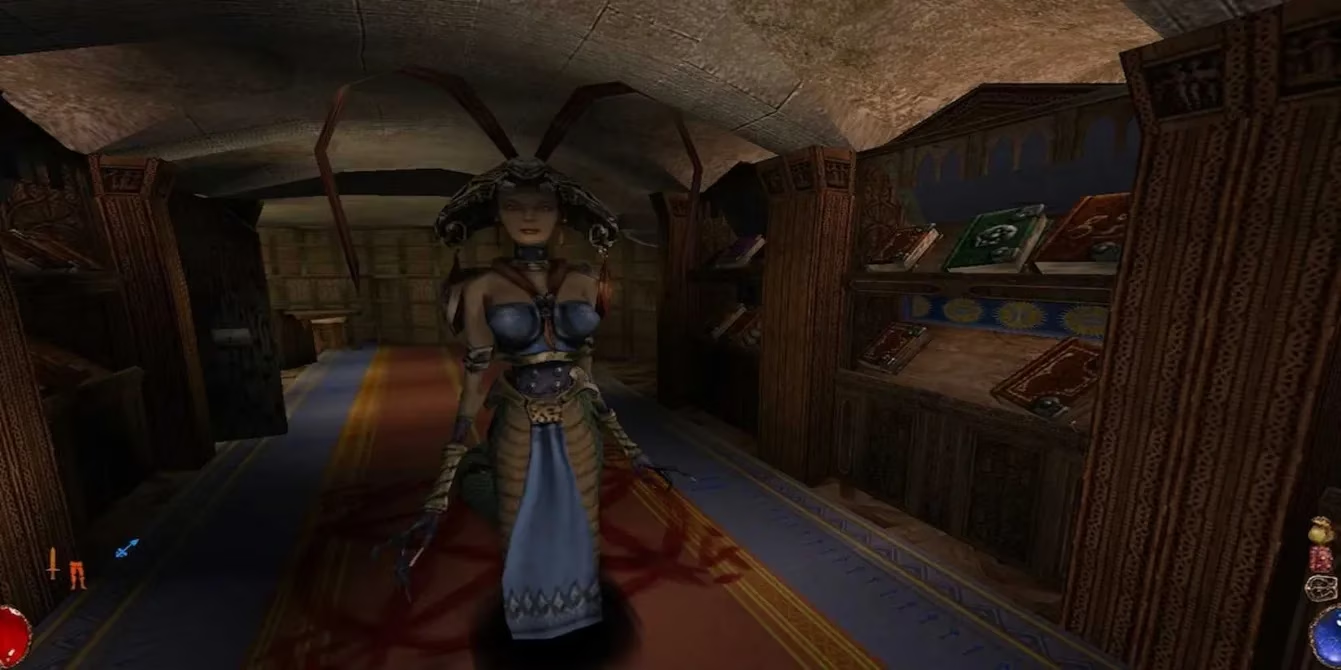
Ever wanted to actually feel like a wizard while playing as one? Arx Fatalis gets it. This old-school RPG ditches boring spell menus for a rune system where you physically draw symbols with your mouse to cast magic. Pair the “improve” rune with “sight,” and bam—night vision. The system has a learning curve (you’ll mess up the gesture in a panic more times than you’d like), but that’s the whole point. You’re not just memorising combos; you’re embodying a frantic mage scribbling runes in the air while goblins charge at you. It’s immersive, tense, and one of the most unique magic systems still floating around in 2026.
Baldur's Gate 3: D&D Magic Without Restraints
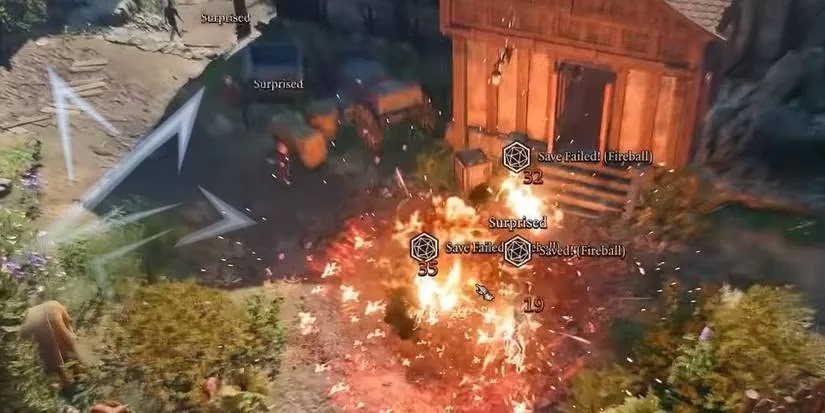
Larian Studios took the complex spellcasting of Dungeons & Dragons and cranked it up to eleven. In Baldur's Gate 3, you’re not shackled by the tabletop rule that limits leveled spells per turn. With the right build, you can toss two fireballs, put a group of enemies to sleep, and still have time for a sassy one-liner. Metamagic and multiclassing turn spellcasters into virtually limitless arcane powerhouses—pair a wizard with a fighter for extra actions, and suddenly you’re a whirlwind of destruction that would make Vecna blush. It’s the perfect blend of accessibility and depth, and even years after its release, it still makes other RPGs feel like they’re stuck in cantrip mode.
Noita: The Epitome of Chaos
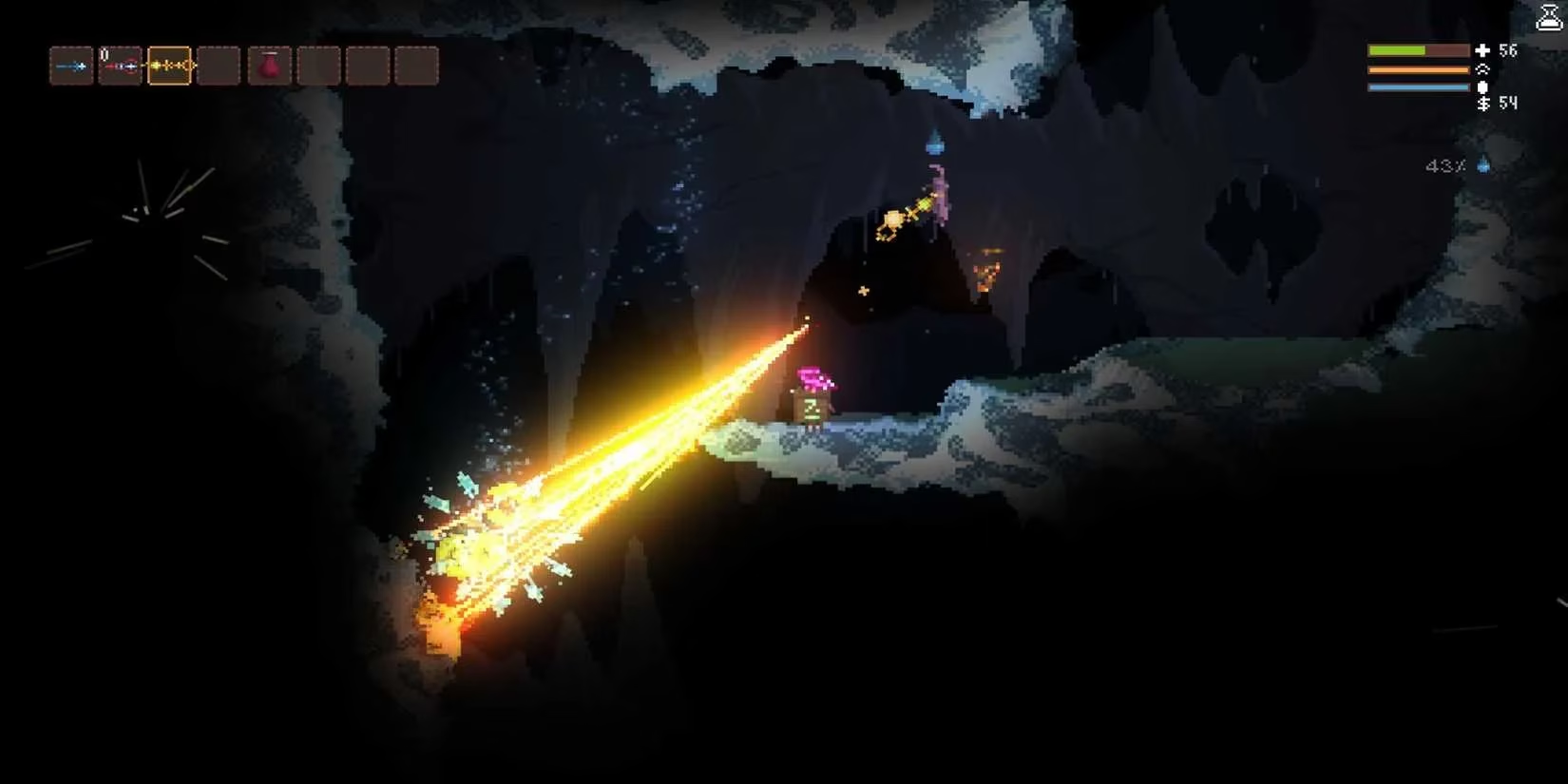
If there’s a game that defines “chaotic magic,” it’s Noita. This 2D roguelite simulates every single pixel in real-time, meaning your stray spark can ignite an entire forest, and a misfired spell might collapse a ceiling onto your own head. The wand-tinkering system is a madhouse of creativity: attach spells in the right order, and you’ll create something so broken it would make a developer weep. Every fight is a high-stakes experiment where the environment is just as deadly as the enemies. Noita punishes recklessness as much as it rewards ingenuity, and in 2026 it remains the ultimate “what-if” machine for wizards with a taste for destruction.
This assessment draws from Digital Foundry, whose performance breakdowns help contextualize why effects-heavy spell systems—like Forspoken’s particle-storm swapping, Noita’s fully simulated pixel chaos, and Lichdom’s first-person meteor spam—feel so impactful when frame pacing, resolution stability, and post-processing are dialed in. Seen through that lens, the “best” magic combat isn’t only about creative spellcraft (Magicka inputs, Arx Fatalis runes, Morrowind crafting, PoE gem links, BG3 action economy), but also about how reliably the engine can render readability and spectacle at speed without turning wizardry into visual mush.