I’ve played Baldur’s Gate 3 as a noble hero, and I’ve played it as a walking disaster. Both are great. But the evil runs are the ones I keep thinking about years later. As of 2026, Larian’s RPG still feels unusually generous to players who decide to be awful, because the game doesn’t just let you pick a mean dialogue line and move on. It lets you reshape relationships, close off entire story routes, and watch your companions either leave, break, or become worse alongside you. That is the real appeal of an evil playthrough: not shock value, but narrative consequence. Spoilers ahead, naturally.

The Dark Urge Is My Default Evil Run
If I’m going to commit to a darker campaign, I usually start with the Dark Urge. It is not just a flavor toggle. It gives the whole run a personal horror story, with intrusive impulses, ugly surprises, and a main character who feels genuinely dangerous. I like that the Dark Urge doesn’t force me to be evil every second, but it keeps tempting me toward the worst version of myself. Giving in to those impulses makes the atmosphere heavier and the consequences more memorable.

Some of my favorite examples are the small, awful pivots that snowball. Severing Gale’s hand is one of those moments where I sit back and think, well, that just changed everything. Murdering Alfira at camp is another. These choices are not strategic in a tidy way. They are character-defining. They make the run feel like a dark fantasy story rather than a heroic checklist with a few rude options.
Act 1: The Grove, Kagha, and Minthara
Act 1 is where I test whether I’m really committed. The Emerald Grove offers several chances to be cruel, and one of the coldest is letting Kagha’s snake kill Arabella. She is a frightened tiefling child, and doing nothing is not a neutral act. It changes how the tieflings see me, and it sets the tone for a protagonist who solves problems by letting fear win.

Then there is Minthara. Siding with her against the grove is one of the clearest evil commitments in the game. It wipes out a refuge full of innocents, and it makes the world feel smaller and darker. In return, I get Minthara as a companion far more naturally. She is a fantastic character for a villainous run, and her presence makes the camp feel like a different place.
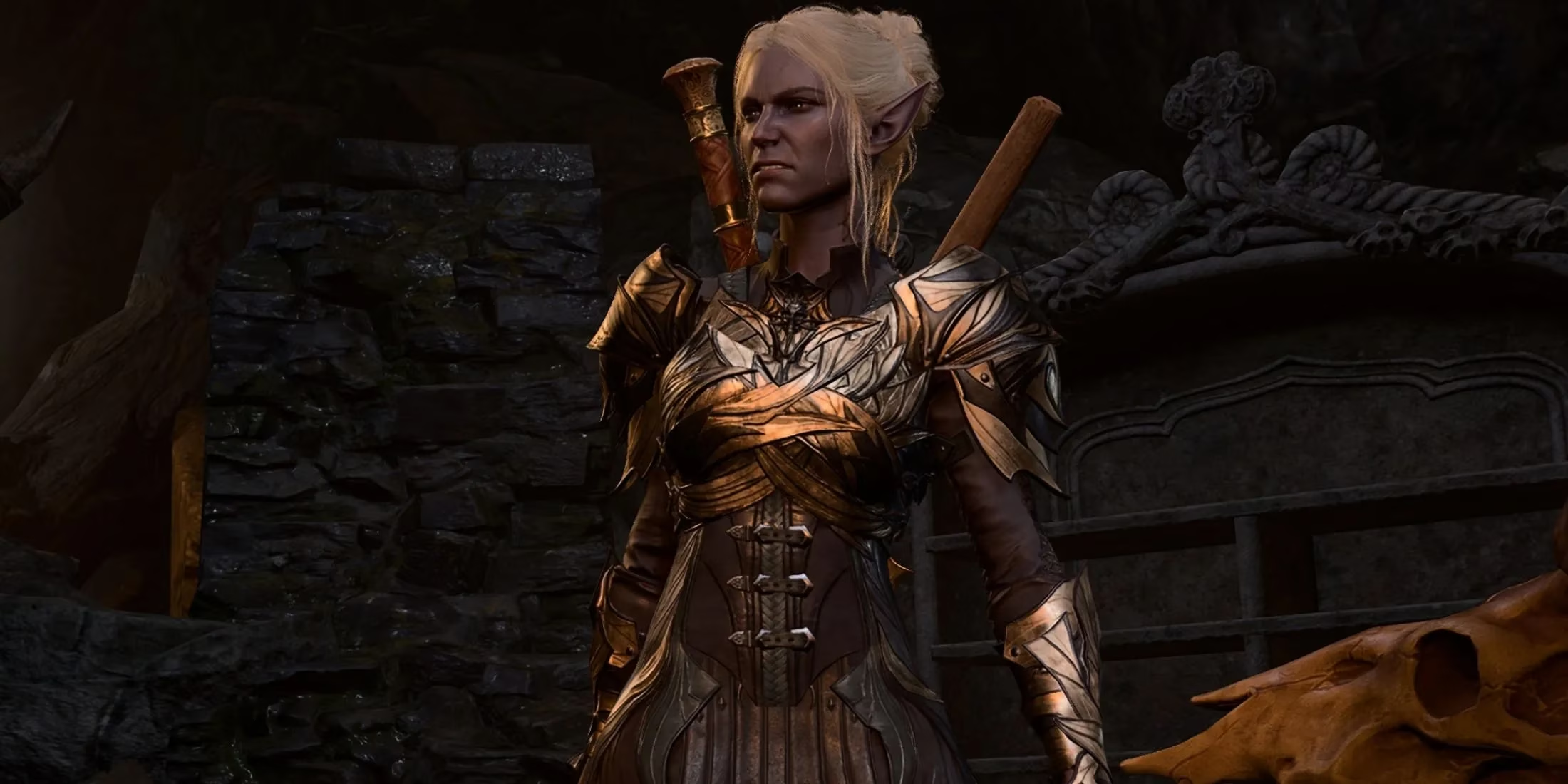
I also sometimes take the early route of refusing to believe Karlach and helping Wyll hunt her. It is a harsh choice that costs me a rich companion and signals that this protagonist is not interested in redemption. It is not my favorite choice, but it is effective. Evil runs need those early forks in the road, or the whole campaign starts to feel like a costume.
Act 2: Last Light Inn, Gale, and Shadowheart
Act 2 is where the evil path starts to feel genuinely bleak. The Last Light Inn is a shelter, a fragile pocket of hope in the Shadow Curse. Destroying it is one of the most devastating choices available. It kills people I might have saved, including tieflings who survived the grove, and it removes a major support point against the darkness. I always feel the weight of that decision because the game doesn’t treat it as a cartoon villain moment. It treats it as a tragedy I caused.
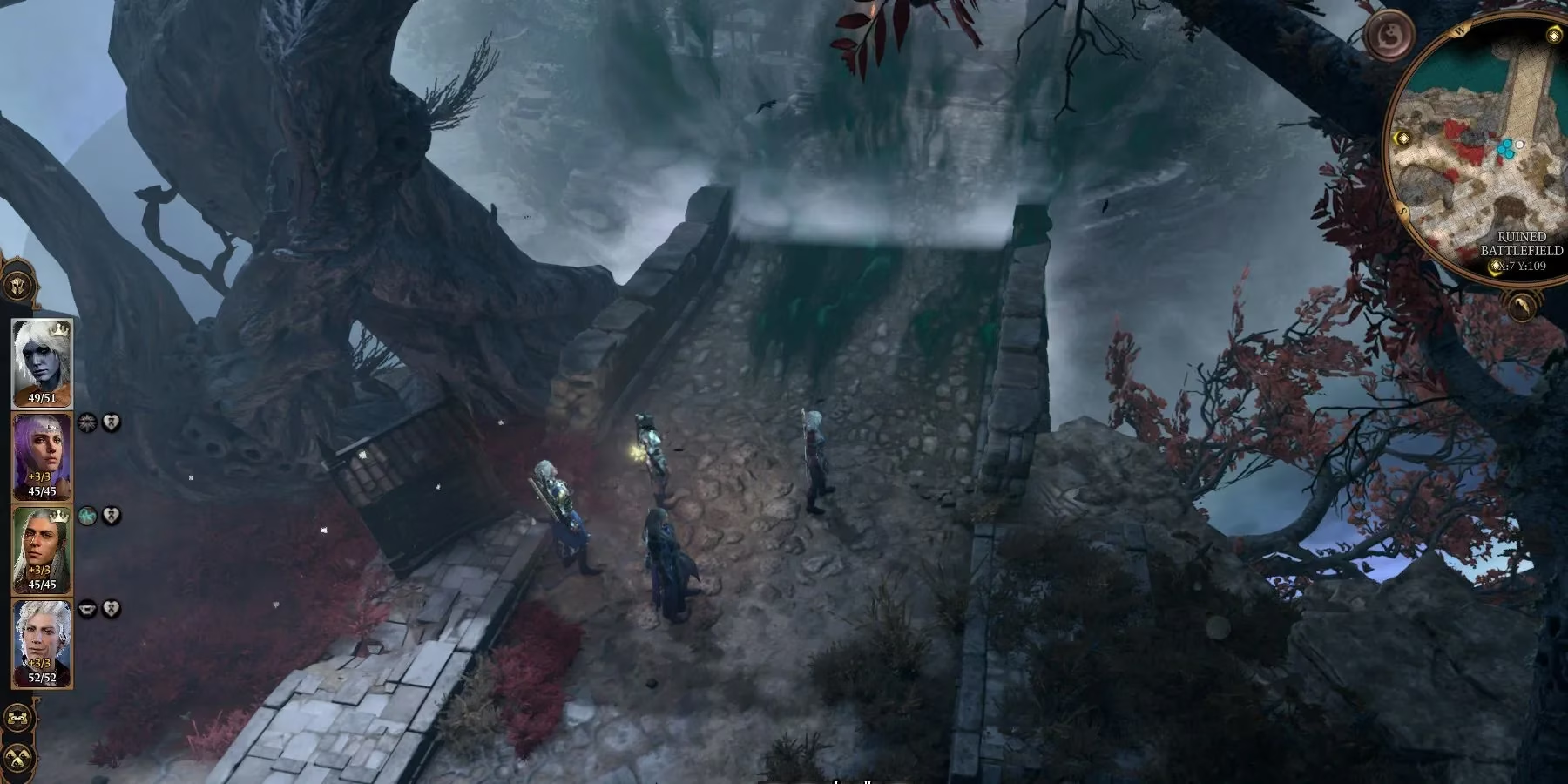
Gale’s sacrifice is another strange, dark branch. At the end of Act 2, I can push him to unleash the destructive power inside him when facing the main villains. It is an evil choice, but it is also a foolish one. The explosion takes everyone present, including the party, and the narrator makes it clear that the sacrifice was in vain. The Mind Flayers keep advancing. I like that the game lets me make a choice that is both cruel and strategically pointless. It reinforces the idea that this path is about desperation, not efficiency.

Shadowheart can also be pushed toward the dark. Convincing her to kill the Nightsong in the Shadowfell is a major corruption arc. It changes her personal story, hardens her, and locks in a version of Shadowheart who feels further from the person she could have become. For me, corrupting companions is one of the most interesting parts of an evil run because it turns the camp into a mirror of the protagonist’s choices.
Act 3: Murder Tribunal, Astarion, and Dame Aylin
By Act 3, I usually have a camp full of complications. Joining the Murder Tribunal and becoming an Unholy Assassin of Bhaal is one of the biggest evil commitments in the game. The trial presided over by Sarevok Anchev is ugly, theatrical, and very much in line with a dark path. It also has real consequences. I gain access to a new merchant with powerful equipment, but I can lose companions like Jaheira and Minsc when they discover what I have become.

Astarion’s ascension is another route I find compelling. Helping him become an ascended vampire in the Palace of the Cursed gives him the power he craves, but it also feeds the worst parts of him. It is a dark trajectory that adds complexity to the camp and makes the run feel more committed. I don’t do it every time, but when I do, it fits a campaign where I have already decided that power matters more than healing.

One of the cruelest Act 3 choices is betraying Dame Aylin after freeing her and reuniting her with Isobel. Handing her over to Lorroakan is a special kind of awful because it undoes her freedom and her reunion with her beloved. It is not just a tactical decision. It is a deliberate act of malice, and it shows how many dark possibilities the game keeps in reserve.

The Small Cruelties Matter
Not every evil choice needs to reshape the plot. Some of the worst ones are personal. Returning Scratch to his abusive old owner is a choice I almost never make, because there is no real benefit. It is just cruelty for its own sake. That is exactly why it matters. A good evil run isn’t only about big political betrayals. It is also about whether I can look at a loyal dog and choose to make his life worse.
| Choice | Act | My take |
|---|---|---|
| Letting Kagha’s snake kill Arabella | Act 1 | Cold, early, and unforgettable |
| Siding with Minthara against the grove | Act 1 | The clearest evil commitment |
| Destroying Last Light Inn | Act 2 | Devastating and thematically heavy |
| Pushing Gale to explode | Act 2 | Cruel and pointless in the best dark-story way |
| Becoming an Unholy Assassin | Act 3 | Great for a power-hungry villain run |
| Betraying Dame Aylin | Act 3 | Pure malice with real narrative weight |
What I Learned From Evil Runs
An evil playthrough in Baldur’s Gate 3 is not just the heroic run with worse manners. It is a different story with different survivors, different camp dynamics, and different endings. I lose content, yes, but I gain a sharper sense of agency. The game rewards commitment. If I half-commit, the run feels messy. If I fully commit, the world reacts in ways that are dramatic, tragic, and sometimes darkly funny.
😈 My advice for 2026 is simple: if you try an evil run, don’t just pick the rude option every time. Pick the option that makes sense for the character you are becoming. Let the companions react. Let the losses hurt. That is where the best stories are hiding.