The world of Baldur's Gate 3 remains a testament to dynamic storytelling and player agency, even years after its initial release. What truly sets this RPG apart in 2026 is not just the branching narratives, but the infinite creativity allowed in its combat encounters. While character builds and gear are foundational, the most memorable victories often come from cleverly manipulating the world itself. The battlefield is not just a stage for conflict; it's a toolbox, a puzzle, and a weapon all in one. How many players have won a fight through brute force alone, never realizing the environmental masterpieces they left untouched?
1. Harnessing Elemental Alchemy
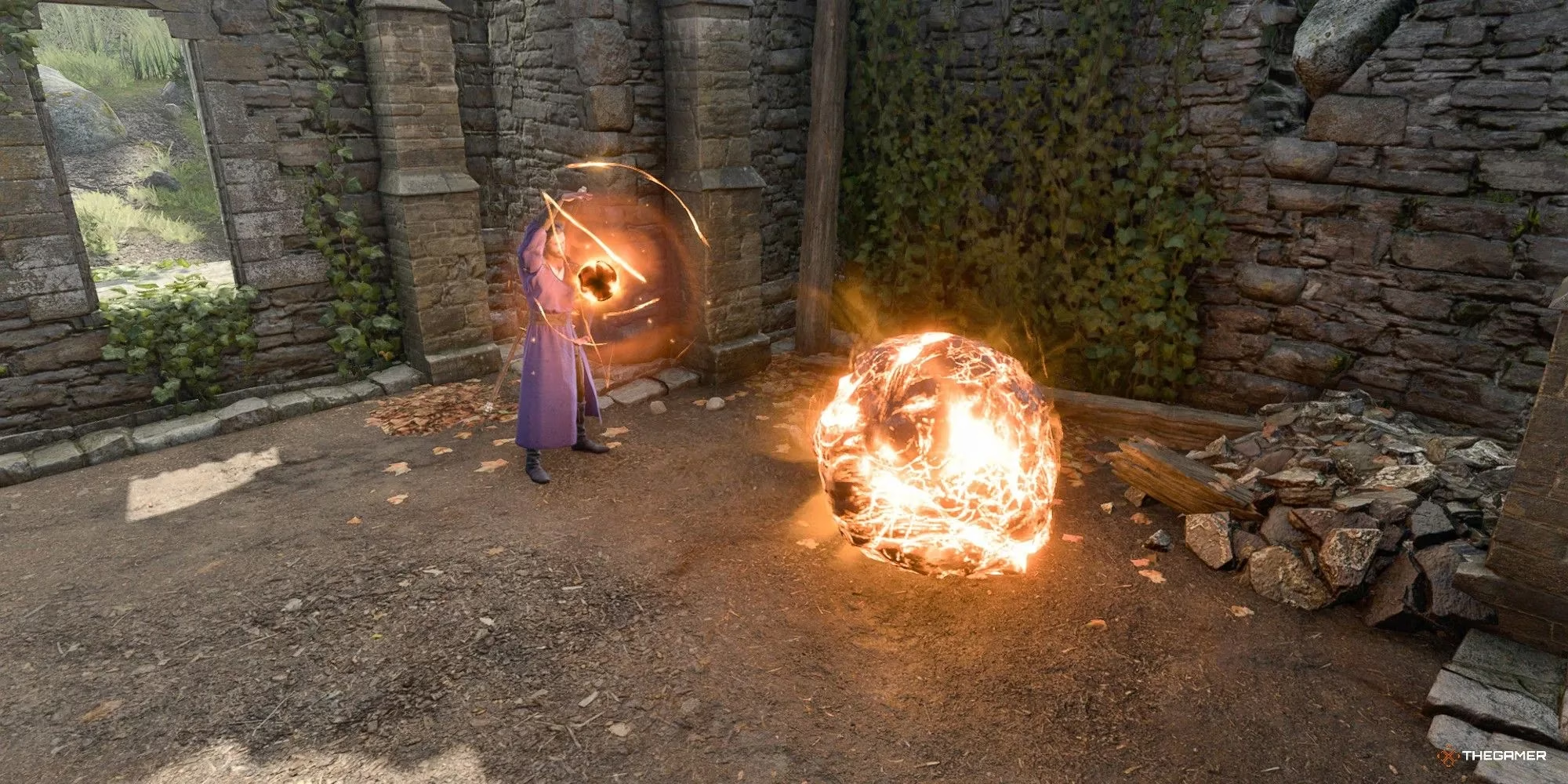
The very fabric of Faerûn's reality is woven with elemental forces waiting to be combined. This isn't just for dedicated spellcasters wielding powerful magic. Every adventurer carries the potential for elemental warfare in their pack. Think about it: what happens when a simple Jug of Water meets a crackling Shocking Grasp? Or when a Grease bottle is followed by a tossed Candle? The results are devastatingly effective area-of-effect attacks. Strategic players in 2026 have turned this into a science, creating chain reactions that can wipe out entire groups before a single weapon is drawn. Positioning enemies on oil slicks before combat or luring them into shallow water can turn a difficult encounter into a spectacular display of environmental control.
2. The Strategic Placement of Explosives
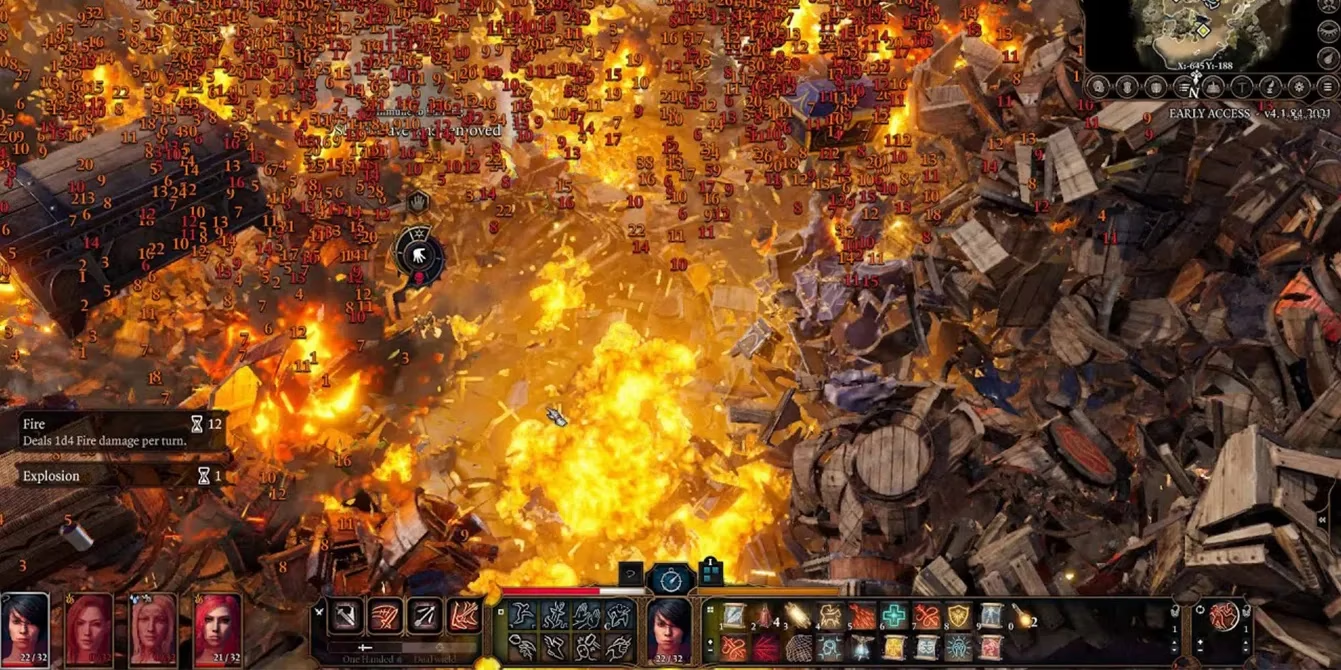
Why fight fair when you can rig the battlefield in your favor? Scouting an area before hostilities begin is a classic tactic, but in Baldur's Gate 3, it becomes an art form. Smokepowder Barrels, Firewine Barrels, and even volatile Runepowder kegs aren't just set dressing; they are invitations for creative demolition. The modern player knows to stealthily place these gifts around unsuspecting foes during dialogue or exploration phases. The ensuing conversation that triggers the fight becomes a countdown to a fiery conclusion. A single Fire Bolt or Alchemist's Fire can then rewrite the encounter's difficulty in an instant. Isn't it more satisfying to watch a problem solve itself in a ball of flame?
3. The Art of Making Enemies Your Weapons
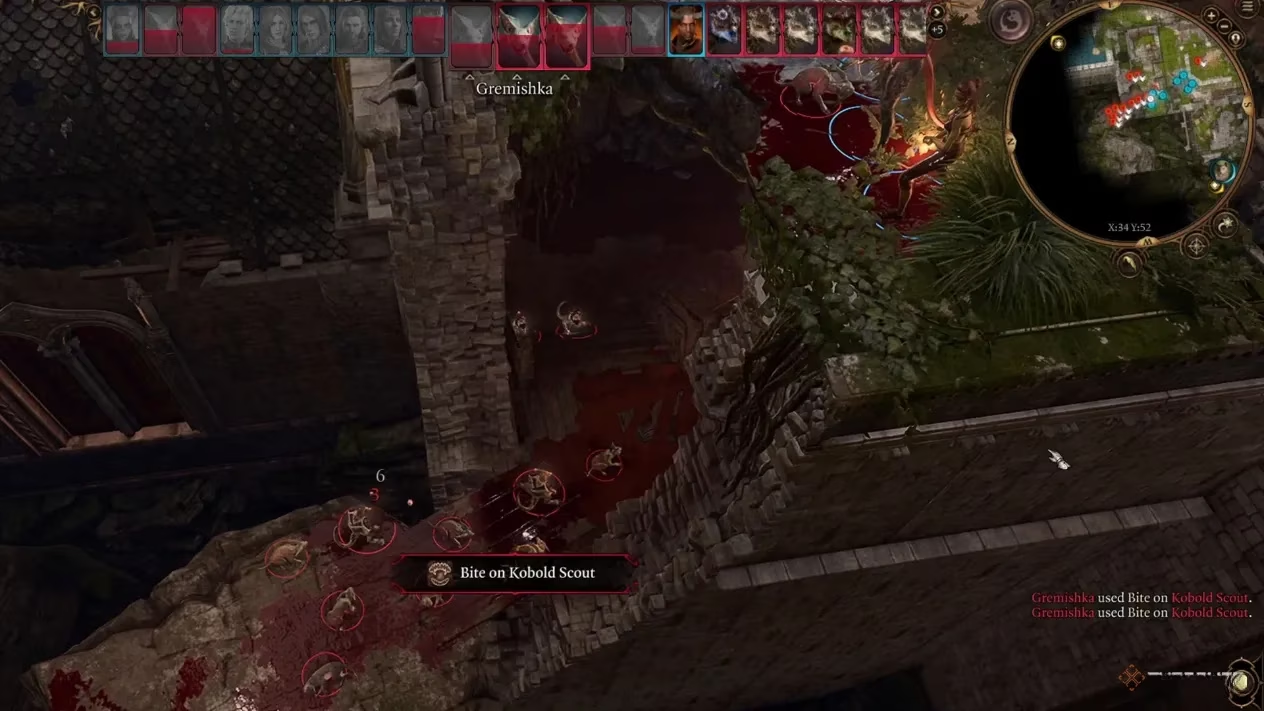
Resource management is key in any dungeon crawl. Why spend precious spell slots and health potions when you can let your adversaries do the work for you? The world is full of factions with existing grudges. A clever adventurer can exploit these tensions. Luring a pack of gnolls into a goblin camp, or using a well-placed shove to send a foe tumbling into the territory of a nearby spectator, can create chaotic and advantageous scenarios. The goal is to become the orchestrator of conflict rather than just a participant. After the dust settles between rival groups, mopping up the weakened survivors is a trivial task, conserving your party's strength for the true challenges ahead.
4. Look to the Skies (and Ceilings)
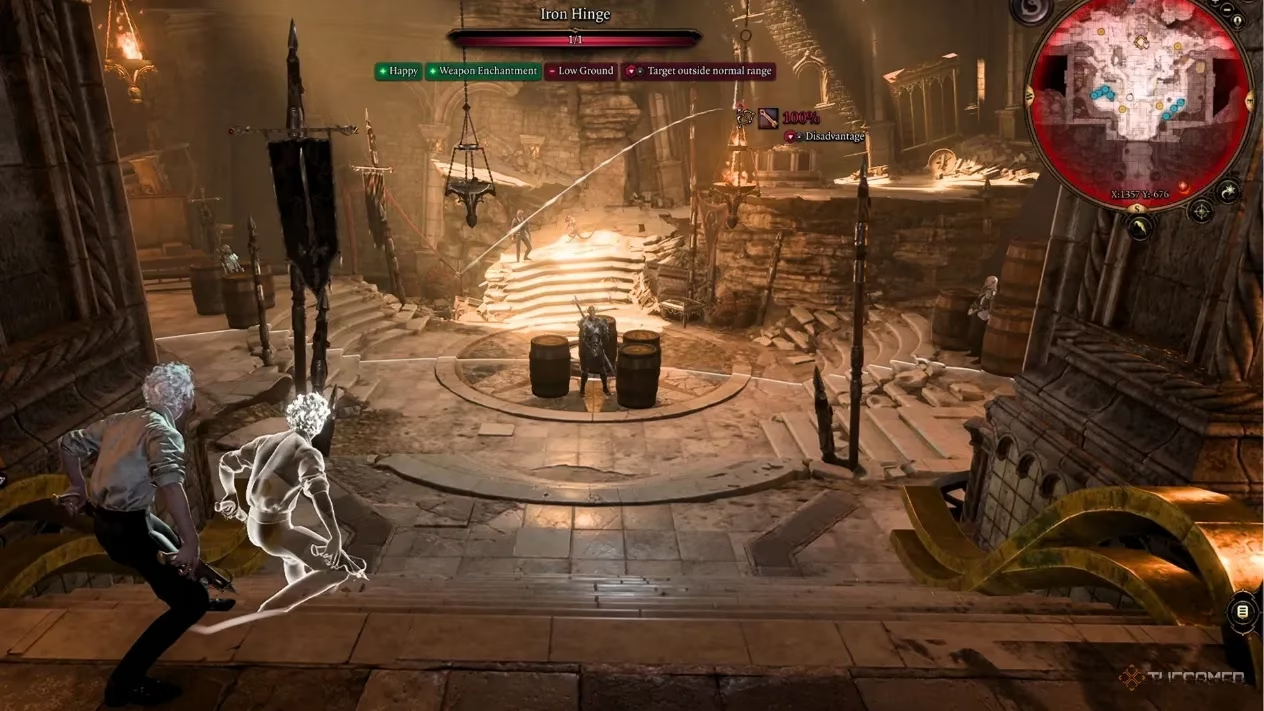
It's a common mistake to keep one's eyes glued to the ground. Veteran players know that salvation—or destruction—often hangs literally overhead. Ancient ruins and damp caves are frequently adorned with suspended rock formations, caustic bulbs, or lit chandeliers. A single arrow can transform these fixtures into deadly traps. Why engage a boss on its own terms when you can collapse the ceiling on its head? Furthermore, these elements can be integrated into larger plans. Douse the floor in oil, then shoot down a flaming brazier to ignite it. The vertical dimension of combat is a layer of strategy that continues to offer fresh solutions even for seasoned players in 2026.
5. Mastering the Chokepoint
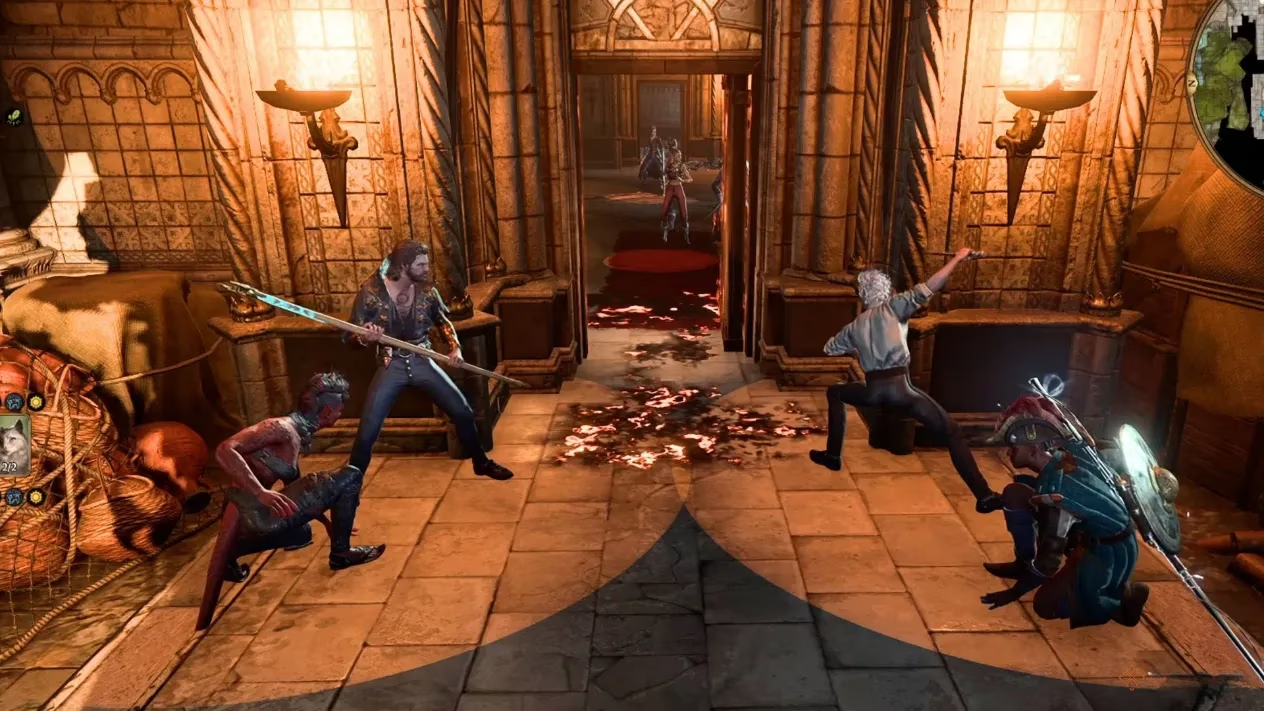
Being cornered in a room might seem like a tactical disaster, but to the prepared mind, it's a fortress. Doorways, narrow corridors, and archways become force multipliers. By controlling these chokepoints, you can negate an enemy's numerical advantage, forcing them to approach one or two at a time. This is where area-denial spells and effects shine:
-
Grease or Web to slow and prone incoming foes.
-
Cloud of Daggers or Wall of Fire to create a literal meat grinder.
-
Spike Growth to punish every step they take.
A well-defended chokepoint turns your party into an immovable object, grinding down the enemy's onslaught with brutal efficiency. It transforms a desperate defense into a controlled, systematic elimination.
6. Claiming the High Ground
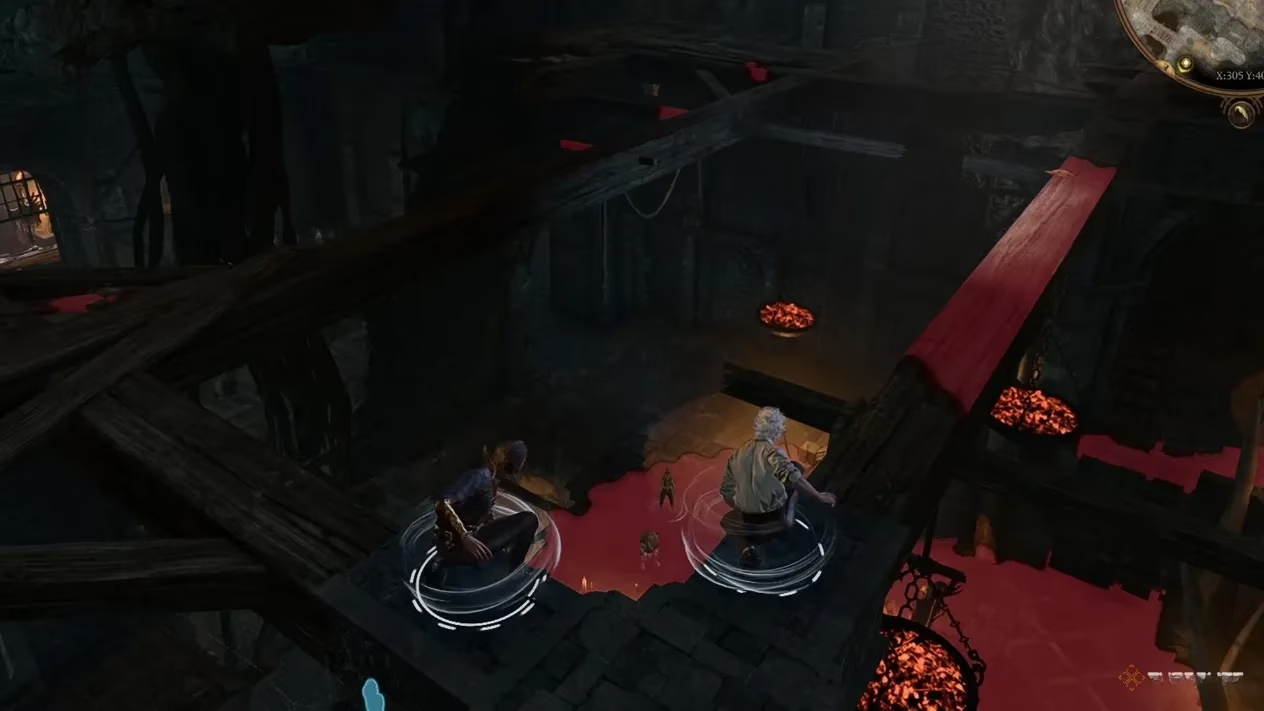
A fundamental truth of warfare, from ancient battles to fantasy RPGs, is the power of elevation. Attacking from a higher position grants advantage on attack rolls for ranged characters, making your arrows and spells more likely to hit and crit. Conversely, enemies shooting back at you do so with disadvantage. But the benefits go beyond dice rolls. High ledges, rafters, and rocky outcrops provide safety from melee attackers and often offer lines of sight over obstacles. Abilities like the Athletics skill for jumping or spells like Misty Step become essential tools for repositioning your archers and mages to these prime vantage points. Have you ever considered simply jumping off a high platform to land on an enemy for crushing damage? The high ground isn't just an option; it's often the key to victory.
7. Gravity: The Simplest Solution
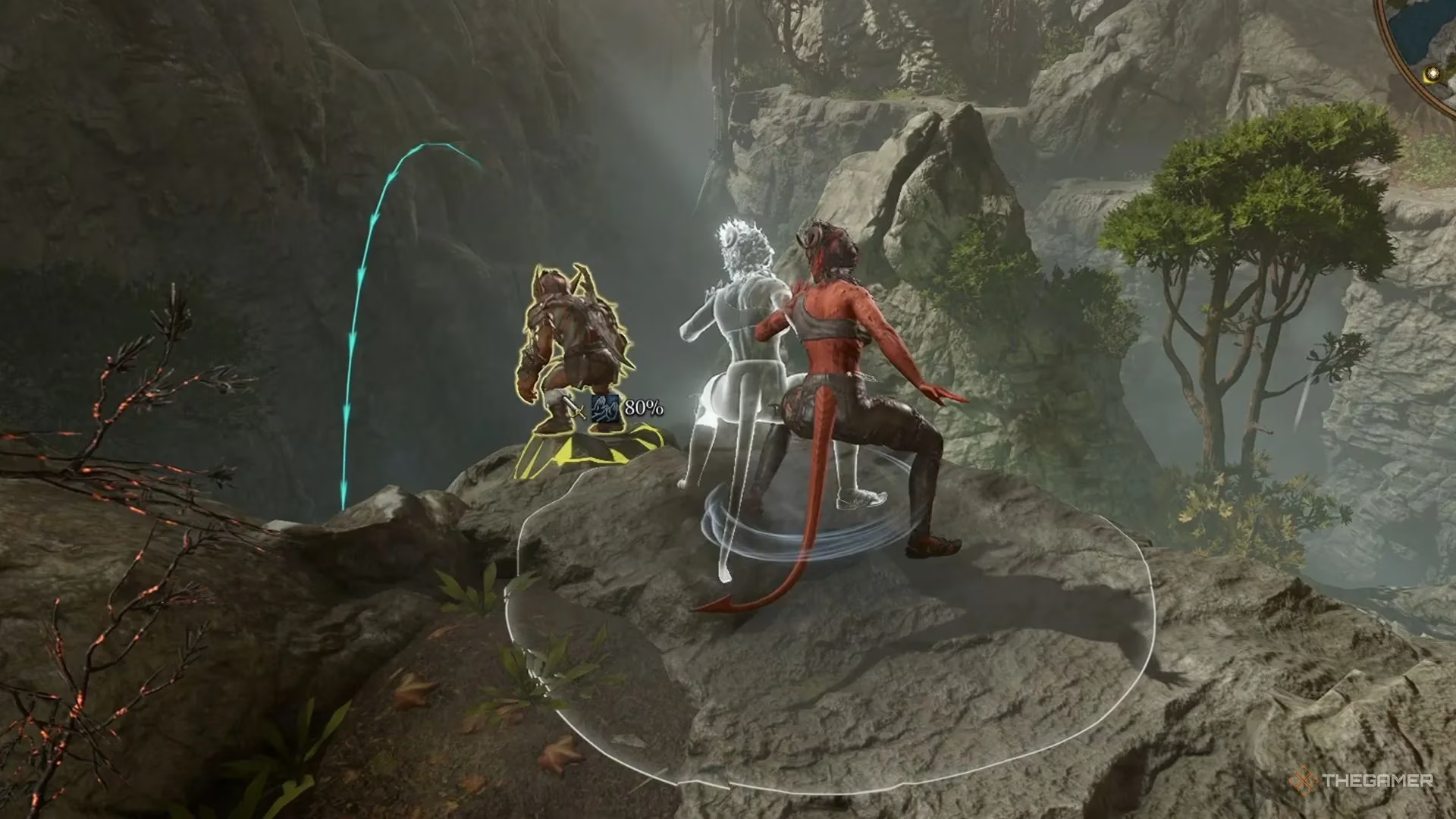
In a world of complex magic and legendary weapons, sometimes the most effective tool is a sheer drop. Many battlefields in the Sword Coast are perilously close to cliffs, chasms, or deep water. Spells like Thunderwave and Repelling Blast, or simple shove actions, can instantly remove powerful threats from the fight, regardless of their hit points. Items like Smokepowder Arrows or Void Bulbs can also send enemies flying. This strategy requires careful positioning and awareness—the same abyss can claim an unwary party member. But when executed correctly, it provides an instant, resource-free solution to even the most daunting foes. Why chip away at a giant's health bar when you can politely suggest it takes a one-way trip off a cliff?
8. Cloaking Yourself in Shadow
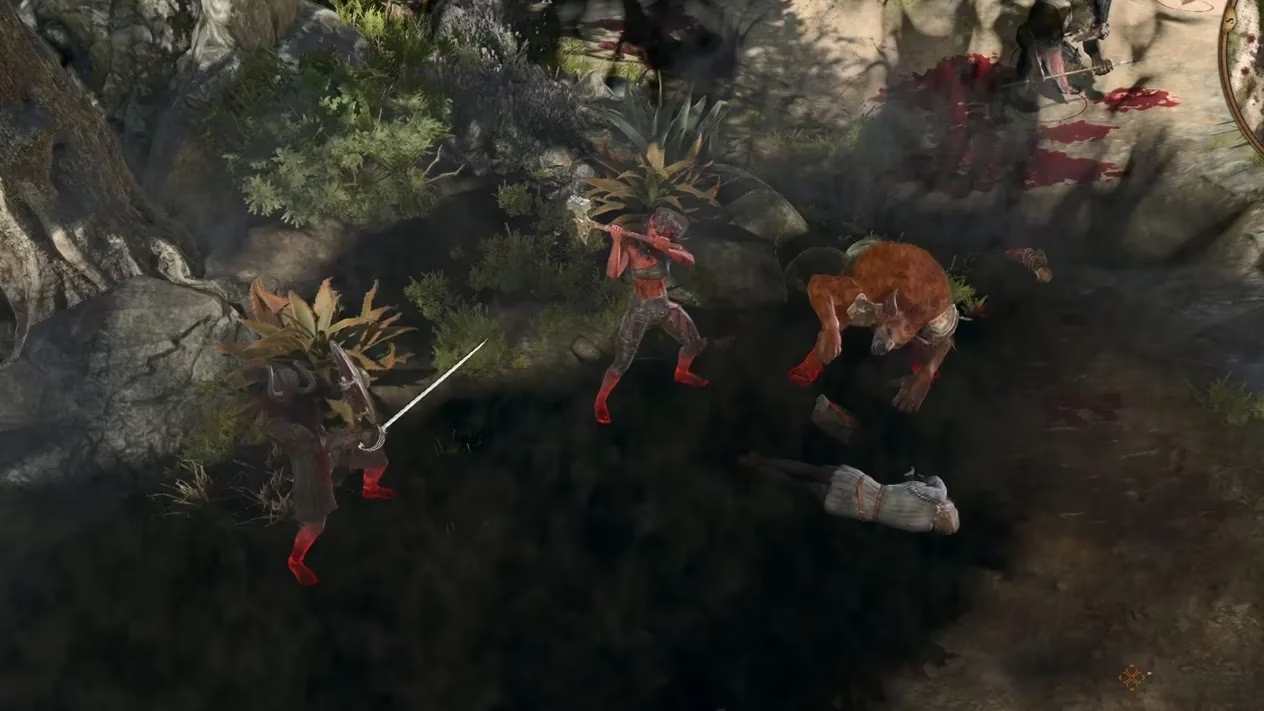
Visibility is the cornerstone of ranged combat. What if you could simply remove it for your enemies? Spells like Darkness and Fog Cloud create zones that block line of sight. The advanced tactic isn't to cast it on enemies, but on yourself. By standing within or just behind a sphere of magical darkness, your party becomes untargetable by ranged attacks and spells that require sight. You can then play a lethal game of peek-a-boo: step out, fire an arrow or cast a spell, and step back into the safety of obscurity. This is exceptionally powerful for protecting squishy backline characters or for controlling the flow of engagement, forcing melee enemies to blindly enter your killing zone to find you.
9. The Pincer Movement: Divide and Conquer
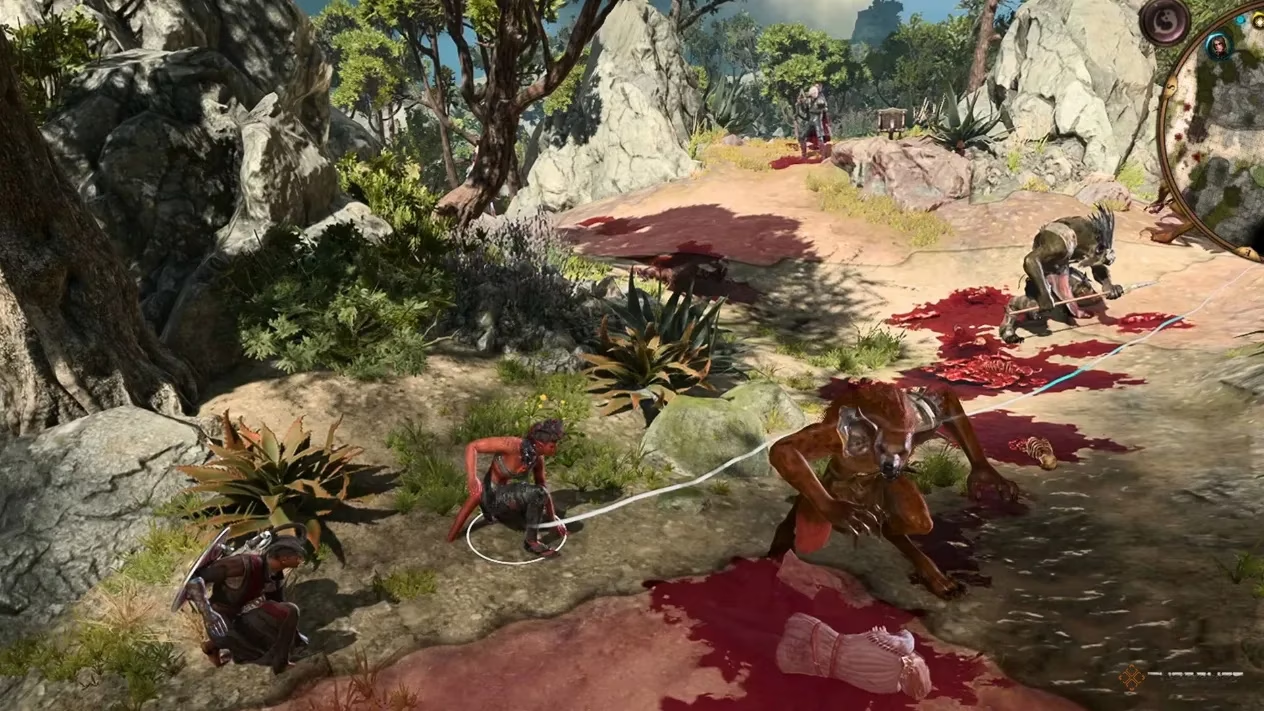
When facing a large, clustered group, a direct assault can be suicidal. The solution is to break the "ungroup" command on your party and execute a flanking maneuver. By positioning your party members at multiple entrances or on different elevation levels surrounding the enemy, you force them to split their attention and attacks. This prevents them from focusing fire on a single target and disrupts their formation. However, coordination is vital. You must ensure your support characters, like clerics or bards, can still reach your frontline fighters with healing and buffs. Modern party composition in 2026 often includes characters with mobility or long-range support abilities specifically to enable these sophisticated, split-position tactics. A divided enemy is a vulnerable enemy.
Ultimately, Baldur's Gate 3's enduring appeal lies in its invitation to play with the world, not just in it. The environment is a silent party member, offering solutions limited only by the player's creativity and observation. In 2026, mastering these nine principles of environmental warfare is what separates a competent adventurer from a legendary tactician of the Forgotten Realms. The next time you enter a battle, ask yourself: what can the room itself do for me?