Few game releases in 2025 arrived with as much baggage as Dragon Age: The Veilguard. Touted as BioWare’s return to single-player storytelling after a turbulent period of live-service experiments, the game finally landed amid a mix of cautious optimism and lingering skepticism. A year on from its launch, the broader consensus is settling into something far more nuanced than the initial hot takes suggested: The Veilguard is not a triumphant revival of classic role-playing depth, but a sleek, linear action adventure that borrows heavily from Sony’s God of War blueprint.
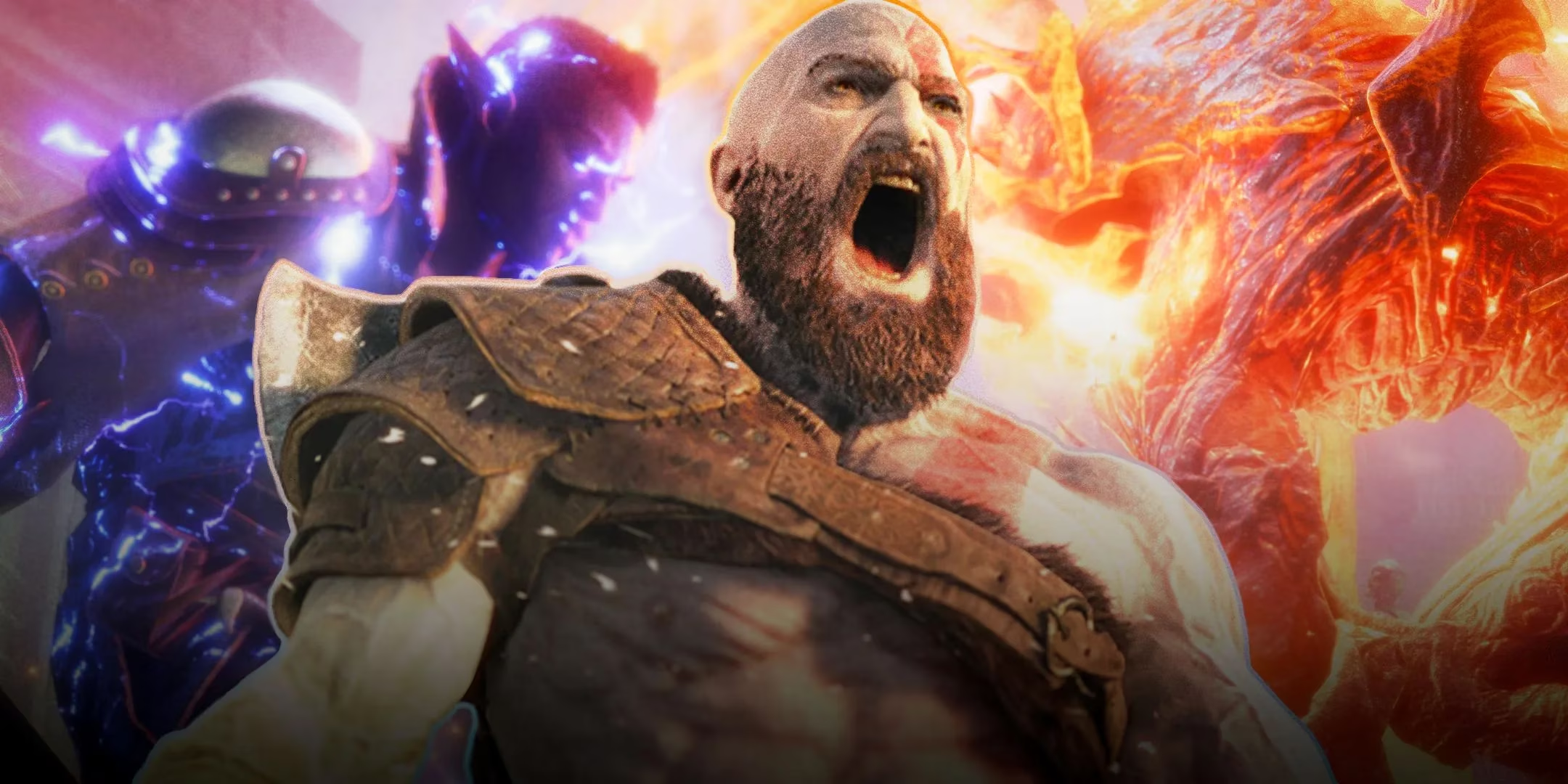
From the very first hours, it becomes clear that this entry departs dramatically from the sprawling, choice-laden worlds of Origins or Inquisition. After a tightly scripted prologue where players take on the role of Rook to stop Solas, the missions that follow are largely confined to narrow corridors and compact arenas. Exploration is an illusion at best—branching paths often lead to a loot chest mere meters away, and the handful of settlement hubs that exist feel less like living communities and more like themed vendor stalls. This linearity isn’t necessarily a flaw, but it signals a deliberate design pivot away from the open-ended structure that once defined the series.
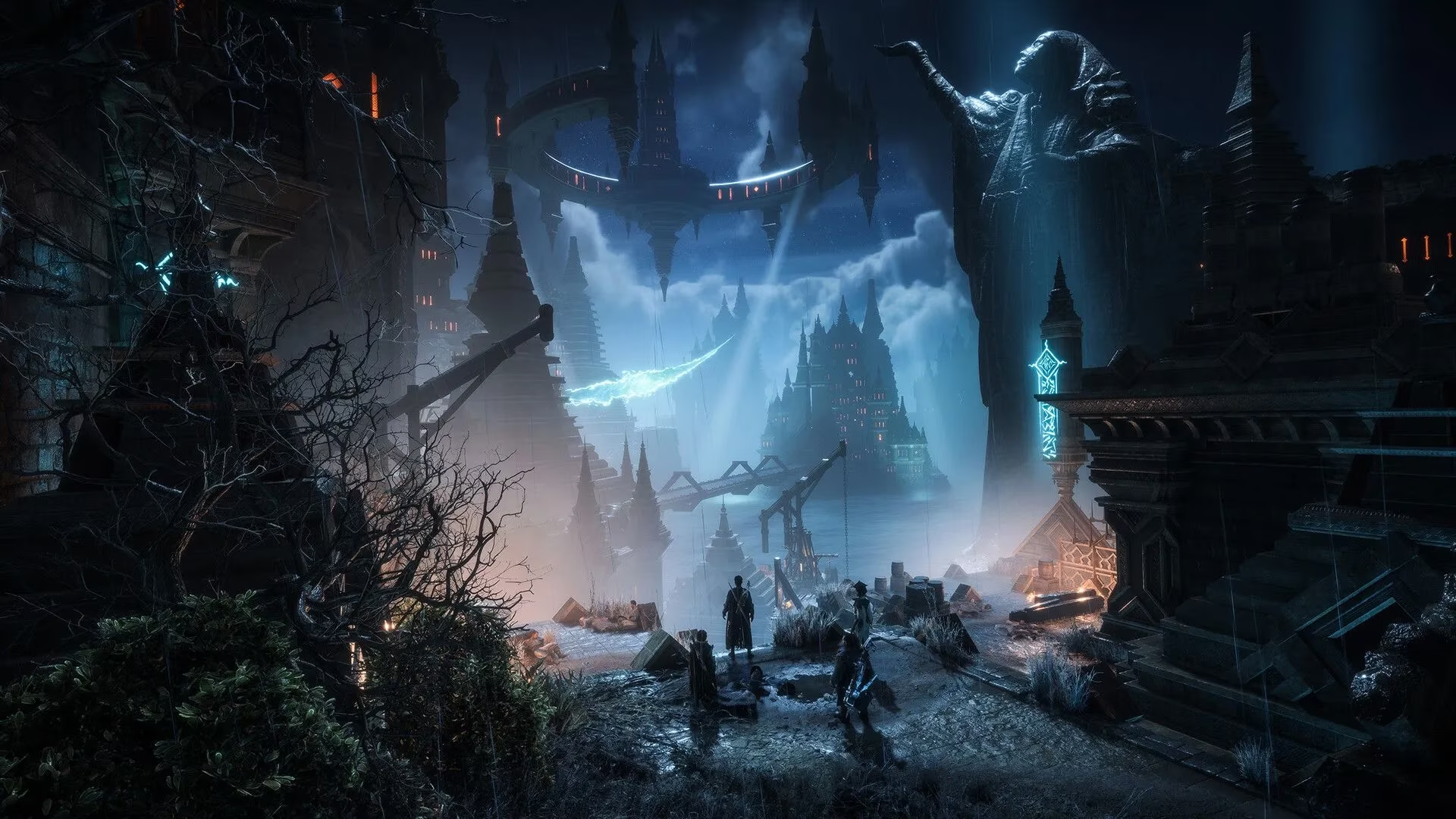
Combat and puzzle design further reinforce the action-first mentality. Confrontations unfold in tightly contained spaces where the flow is interrupted by cinematic flourishes and companion banter, much like the rhythmic beat of Kratos’s journey through the Norse realms. Puzzles, meanwhile, are so simplistic that they often feel like placeholders. When an ancient elven mechanism requires a crystal to activate, the missing piece is invariably sitting in the adjacent room—no backtracking, no deduction, just busywork. In many ways, these moments mirror the accessibility-first philosophy of modern triple-A blockbusters, where friction is stripped away to keep players moving forward.
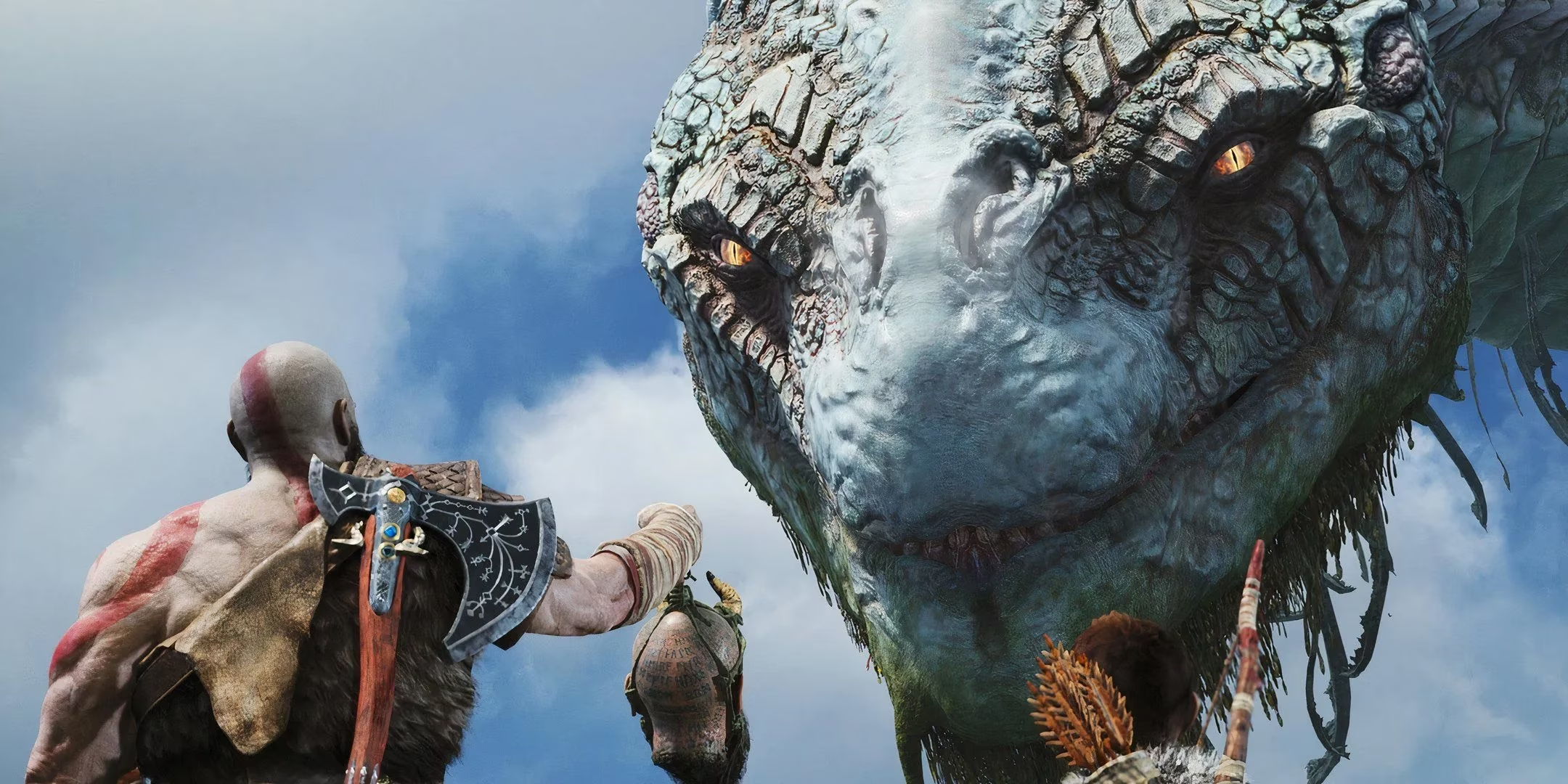
The echoes of 2018’s God of War go beyond structure. Companion chatter is constant, with allies offering unsolicited hints if the player pauses for more than a few seconds. The dialogue itself carries a distinctly Marvel-esque rhythm, full of quips and self-aware humor that often undercuts the world-threatening stakes. This tonal shift has been one of the most divisive elements among longtime fans, but it also attracts a broader audience seeking cinematic spectacle over deep role-playing.
What makes The Veilguard’s identity so fascinating is its troubled development history. Originally conceived as a live-service multiplayer title, many of its remnants survive in the final product. Loot drops favor incremental stat increases and cosmetic variants, encouraging a equip-and-forget mentality reminiscent of Destiny or Diablo. Level design often winds back on itself like an Overwatch map, prioritizing flow and set-piece moments over genuine exploration. When the project pivoted back to single-player, the team clearly looked toward the industry’s biggest successes for a new template. The result is a game that feels more like a streamlined hybrid of Mass Effect 3 and God of War than a traditional Dragon Age.
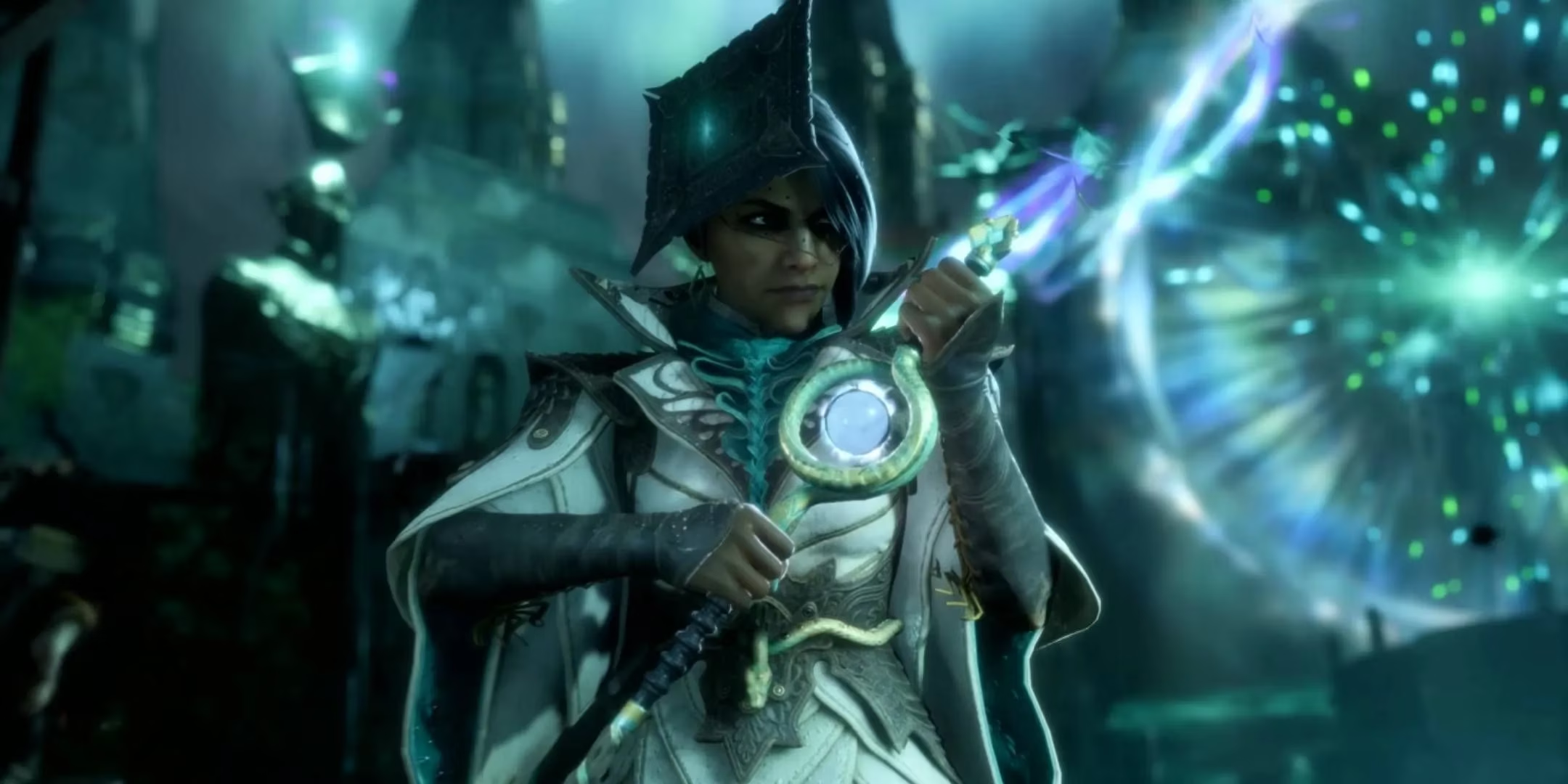
Critics and players initially clashed over whether this direction was a betrayal or a necessary evolution. In 2025, the discourse was fierce: some praised the game’s polished combat and accessible storytelling, while others lamented the loss of tactical depth. Post-launch updates have added more character build options and a New Game+ mode, but the core loop remains unchanged. By 2026, a quiet acceptance has emerged—The Veilguard is not the sprawling CRPG that fans of Baldur’s Gate 3 might hope for, but it excels as a cinematic adventure with charismatic companions and gorgeous visuals.
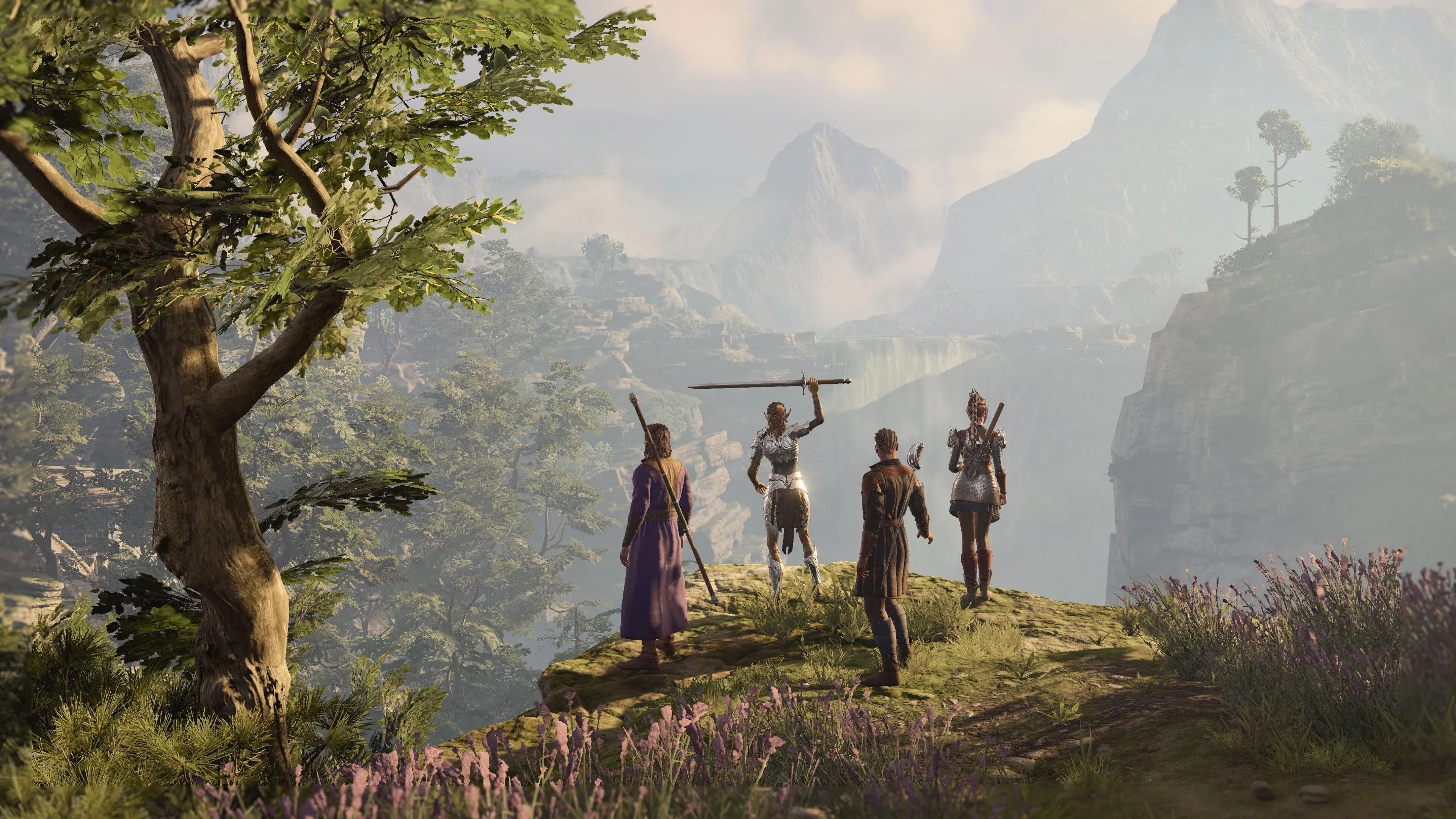
Industry analysts note that the game’s commercial performance reflects this split identity. It sold respectably, driven by the Dragon Age name and strong marketing, but it did not ignite the cultural conversation in the way that BioWare’s earlier works did. Regardless, The Veilguard occupies a strange, alluring space in the modern gaming landscape. It’s not a masterpiece, and at times it barely rises above above-average, but it scratches an itch—a craving for a polished, low-commitment fantasy romp that doesn’t demand a hundred hours of your life. In an era where patience for complex systems is dwindling, perhaps that’s exactly what many players want.