In the sprawling world of Faerûn, where shadows dance and ancient evils stir, the cleric class in Baldur's Gate 3 has long suffered from an unfair reputation. Many adventurers dismiss it as a mere heal-bot, a support role relegated to the backlines. Others point to Shadowheart, the amnesiac follower of Shar, whose default trickery domain hardly showcases the cleric's true potential. Yet beneath this humble facade lies one of the most versatile and powerful classes in the game. With seven subclass options available at level one, clerics can shape their destiny in wildly different ways. But not all domains are created equal. Three standouts—Life, Light, and Tempest—rise above the rest, offering unmatched damage, support, and battlefield control. This is the tale of how a discerning adventurer might navigate these divine paths and unleash the true wrath of the gods.
Three Standout Choices Among The Cleric Subclasses
Of the seven domains, three reign supreme: Life, Light, and Tempest. These subclasses outperform the other four on nearly every front. The Knowledge domain offers extra skill proficiencies and expertise but lacks combat impact. The Nature domain dabbles in druidic magic, yet its charm animals and plants channel divinity feels underwhelming compared to a full druid multiclass. The Trickery domain, Shadowheart's default, collects niche spells and subpar abilities that disappoint at every turn. The War domain comes closest to competing, granting bonus action attacks and armor proficiencies, but it tries to mold the cleric into a martial character—a futile effort when the class already possesses some of the most powerful spellcasting in the game. War clerics work best when multiclassed with a martial class, but that dilutes their spellcasting.
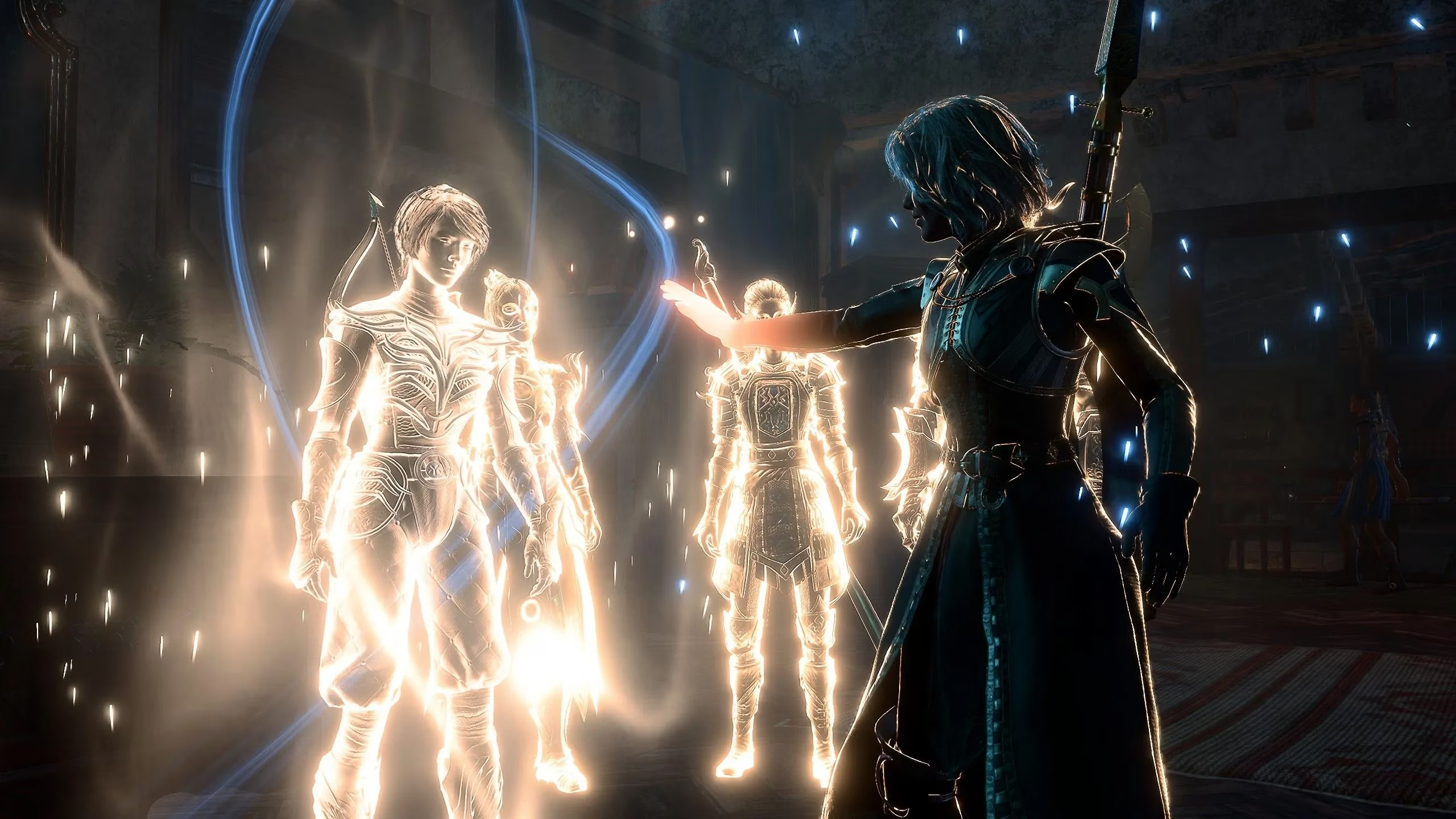
The three top domains, by contrast, enhance the cleric's already superb spell list without sacrificing their core identity. They provide unique spells, powerful channel divinity options, and passive features that lean into distinct playstyles. For any adventurer seeking to maximize their divine potential, these are the domains to consider.
| Subclass | Role | Key Features | Verdict |
|---|---|---|---|
| Life 💚 | Healer / Support | Bonus healing, always-prepared buffs, heavy armor | Unmatched party sustain |
| Light ✨ | Damage / Control | Fireball, Wall of Fire, radiant channel divinity | Ranged AOE destroyer |
| Tempest ⚡ | Damage / Tank | Maximized thunder/lightning, knockback, martial weapons | Explosive blaster |
The Best Cleric Subclasses Supplement Their Superb Spell List
One of the cleric's greatest strengths is its spell list—a treasure trove that includes cantrips like guidance, buffs like bless, and encounter-ending spells like spirit guardians. This foundation is so strong that even lackluster subclass spells don't feel like a major impediment. However, the Life, Light, and Tempest domains make some truly exceptional options permanently available.
The Light and Tempest clerics gain powerful offensive spells. The Light domain adds fireball and wall of fire, allowing it to deal tremendous damage at range. The Tempest domain gains call lightning and destructive wave, which synergize perfectly with its channel divinity. These subclasses transform the cleric into one of the best damage dealers in Baldur's Gate 3, a far cry from the heal-bot stereotype.

The Life cleric, meanwhile, gets no unique spells—its expanded list only includes spells already available to clerics. But it makes certain buffs and support spells, like aid and mass cure wounds, always prepared. This frees the Life cleric to experiment with other powerful cleric spells while keeping its go-to healing and buffing options on hand. It's a subtle advantage, but one that doubles down on the subclass's supportive flavor.
Channel Divinity Features Are The Core Parts Of Each Subclass
Channel divinity is a unique cleric resource, usable once (and later twice) per short rest. It can turn undead or activate a subclass-specific power, and its strength often determines a cleric's overall usefulness. Especially for multiclass characters, channel divinity is an early-level feature that can be leveraged in creative ways.
The weaker subclasses demonstrate what a bad channel divinity looks like. The Trickery domain's invoke duplicity conjures an illusory clone that grants nearby creatures advantage on attack rolls. The problem? The clone has only one hit point, tends to draw enemy aggression, and requires concentration—something no other channel divinity demands. Players would be lucky to get a single turn out of it.
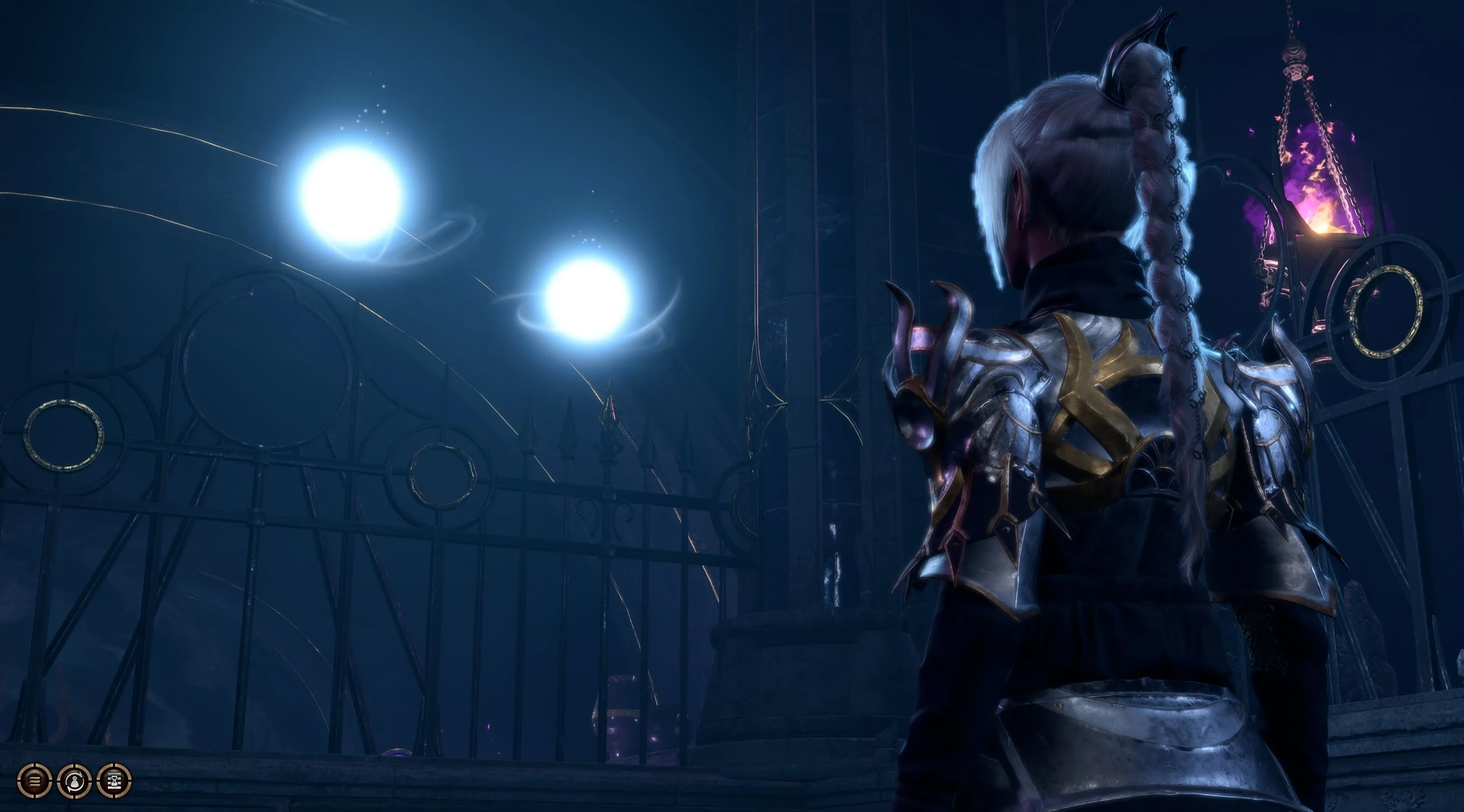
All three top subclasses offer amazing channel divinity options. The Life cleric gets an action heal that restores a large amount of hit points in a wide area, further boosted by its other healing abilities. The Light cleric gains a radiant AOE that deals moderate damage and ignores cover—a fantastic early-game damaging option. And the Tempest cleric can maximize the damage from its thunder and lightning spells for no action cost, making spells like shatter incredibly powerful from the moment they're learned.
Additional Subclass Features Lean Into Different Play Styles
Clerics have a reputation for being pure healers, and the Life domain is largely responsible for that perception. It heals itself whenever it heals allies, provides extra healing points through its spells, and its spell list focuses on healing and defensive buffs. This firmly places the Life cleric in a support role, but it is unquestionably the best at keeping parties alive—a perfect choice for companions like Shadowheart.
The Tempest and Light clerics, however, are far more aggressive. The Light domain excels at taking out clusters of enemies with radiant damage and spells, while its additional features use bursts of light to cause enemy attacks to miss. The Tempest cleric leans hard into damage and battlefield control with lightning and thunder spells, a feature that deals damage to attackers, and the ability to knock enemies back with magic.

Which Cleric Subclass Can Claim To Be The Strongest?
All three options are powerful enough to destroy even the toughest encounters in Baldur's Gate 3. But the Life and Tempest domains hold a slight edge over the Light domain. This is because they gain additional weapon and armor proficiencies and deal extra elemental damage with melee attacks. The Light cleric, by contrast, gets extra cantrip damage—a weaker benefit, since the cleric's damaging cantrips aren't particularly impressive.
Between the top two, the choice depends entirely on what the player wants from their cleric. If they seek a team member who can ensure the group's survival and provide all manner of healing, the Life cleric is unmatched. If they want to make the most of the cleric's damaging options and become a tanky blaster, the Tempest domain is the way to go.

In the end, the cleric class is far more than a heal-bot. With the right domain, it can be a divine wrecking ball, a master of the elements, or an unbreakable pillar of support. The gods have blessed their faithful with incredible power—players need only choose the path that suits their style.