When Baldur's Gate 3 dropped in 2023, it wasn't just a game—it was a cultural phenomenon that redefined storytelling in RPGs. While everyone was busy simping for Astarion's trauma (and let's be real, who wasn't?), there's another character arc that low-key delivers the most brutal and authentic portrayal of the cycle of abuse: The Dark Urge. This isn't just about being edgy or evil—it's about generational trauma, family dynamics, and the terrifying question: can you escape the blood in your veins? Let's dive deep into why Durge is the real MVP when it comes to abuse narratives in gaming.

The Cycle of Abuse 101: What's the Tea? 🤔
Before we get into the juicy details, let's break down what we're actually talking about. The Cycle of Abuse (aka the Cycle of Violence) isn't just about physical fights—it's a pattern that shows up in toxic relationships, whether they're romantic, familial, or even spiritual. In family contexts, this is called Generational Trauma—basically, trauma that gets passed down like a cursed heirloom through generations. Victims often become perpetrators without even realizing they're repeating the same patterns. It's like that toxic ex who keeps coming back, but on a societal scale.
In BG3, almost every companion is trapped in some form of this cycle:
-
Shadowheart: Spiritual abuse from Shar
-
Lae'zel: Cultural conditioning from Githyanki society
-
Karlach: Literal heart trauma from being used as a weapon
-
Gale: Power dynamics with Mystra
But here's the plot twist: while Astarion's abuse is obvious (200 years as a vampire spawn, hello?), The Dark Urge's trauma runs way deeper—it's literally in their DNA.
Why Durge Hits Different: It's in the Blood 🩸
So why isn't Astarion the ultimate example? Don't get it twisted—his story is powerful AF, but here's the tea: Astarion knows he was abused. He doesn't sugarcoat it or make excuses. The real struggle for him is breaking free and not becoming like Cazador. The Dark Urge? That's a whole other level of messed up.
When you play as Durge, you start with zero memories—just this overwhelming, violent urge to kill everything. It's not until Act III that you learn the truth: you're a Bhaalspawn, created from a corpse and raised in a temple of murder. Your "father" is Bhaal, the Lord of Murder himself. Talk about daddy issues on steroids!
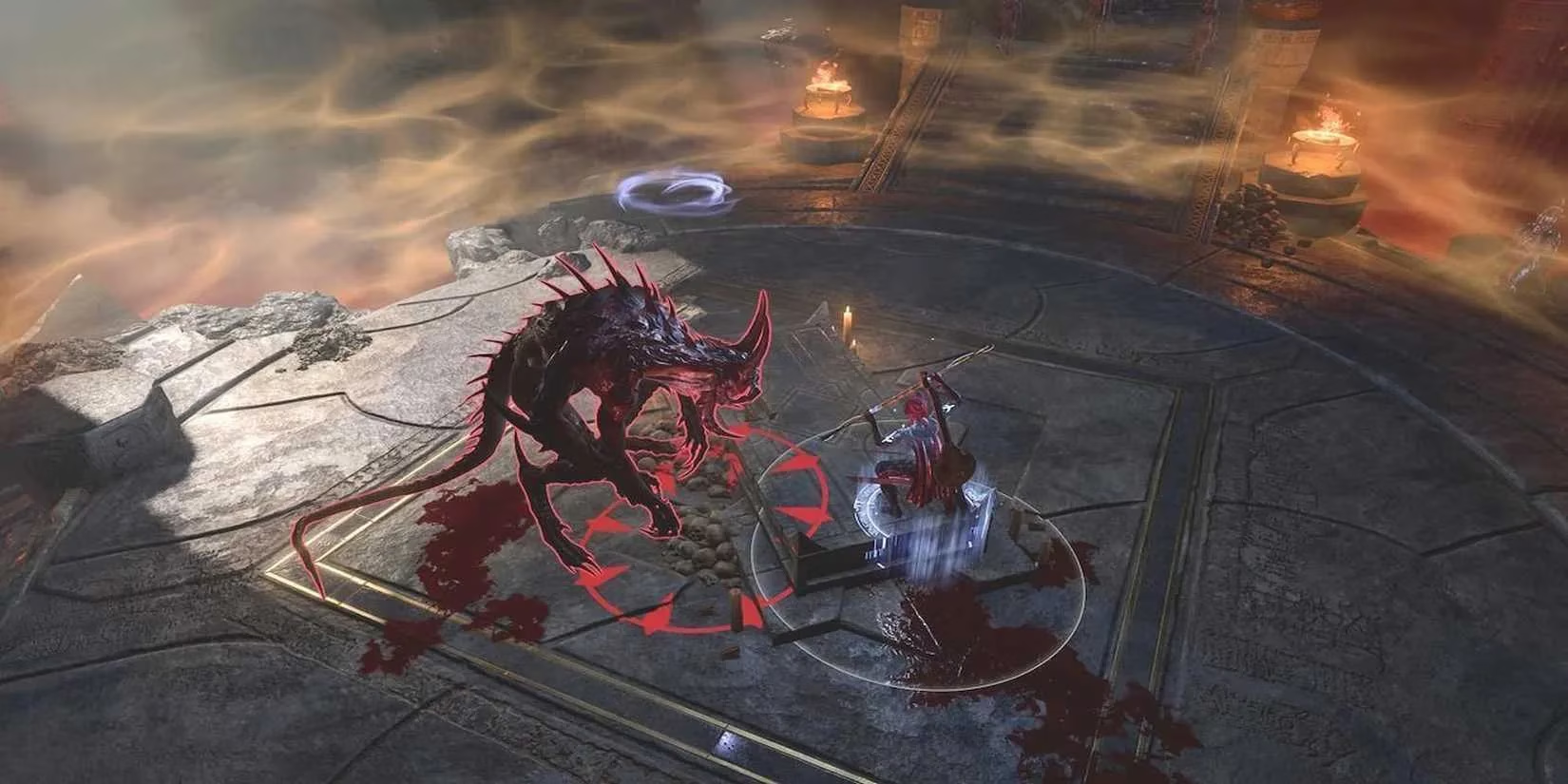
The Family Business: When Your Dad is Literal Evil 😬
Here's where the generational trauma hits hard:
-
You were born to kill—it's not a choice, it's your purpose
-
Your siblings are competing for Daddy Bhaal's approval
-
Even "escaping" doesn't mean freedom—the urges never truly leave
This isn't just about being evil for the lulz. This is about being trapped in a family system where violence is love, murder is worship, and breaking free means betraying everything you were taught to believe. It's giving "my family tradition is trauma" vibes, and honestly? Relatable.
The Nuances of Choice: Redemption vs. Embracing the Urge 🔄
One of the most brilliant aspects of Durge's story is how it handles agency. Sure, you can choose to resist the urges or embrace them—but neither path is easy. Let's break down what makes these choices so complex:
The Redeemed Durge Path:
-
Every. Single. Person. tries to pull you back to Bhaal
-
Gortash, your "allies," even random NPCs gaslight you into returning
-
It's like when people tell you "but they're your family!" after you cut off toxic relatives
-
The urges don't disappear—you have to fight them constantly
The Embracing Durge Path:
-
You become what you were made to be
-
But even then, you're never truly in control
-
Bhaal's approval is fickle AF
-
Your siblings will literally kill you for the top spot
Here's the real kicker: even if you redeem yourself, Bhaal doesn't just let you go. If you lose to Orin in the duel? He curses you. After you're free of the tadpole, you become a mindless murder slave. That's not just a bad ending—that's the ultimate "you can never escape your past" horror story.
Environmental Factors: It's Not Just About You 🌍
What makes Durge's story particularly poignant is how the environment reinforces the cycle:
| Environmental Factor | How It Reinforces the Cycle |
|---|---|
| The Murder Tribunal | Literal institution of murder worship |
| Sarevok (your grandpa) | Willing to sacrifice his own granddaughter for power |
| Orin (your sibling) | Represents what you could become |
| Bhaal's Temple | Physical manifestation of your trauma |
Everywhere you go, the game reminds you: this is your legacy, this is your family business, this is what you were made for. It's like being trapped in a family reunion where everyone's a serial killer, and you're the black sheep for wanting to be a florist instead.
The Real-World Parallels: Why This Matters IRL 💭
Durge's story resonates because it mirrors real experiences with generational trauma:
-
The pressure to continue family patterns (even toxic ones)
-
The difficulty of breaking free when it's all you've known
-
The way people enable abusers by insisting on "family harmony"
-
The lingering effects that manifest in unexpected ways
When characters in-game tell you to return to Bhaal "because it's your nature," it hits differently when you've heard similar things from real people about toxic family dynamics. The game doesn't shy away from showing how uncomfortable it makes others when you try to break the cycle—they'd rather you stay in your assigned role than disrupt the status quo.
Conclusion: The Unseen Masterpiece 🏆
While Astarion's story gets (deserved) attention for its portrayal of abuse and recovery, The Dark Urge offers something equally important: a narrative about trauma that's inherited, systemic, and inescapable without tremendous effort. It's not about individual evil, but about being born into a system of violence and having to fight your way out—or choosing to perpetuate it.
What makes Durge's story particularly powerful in 2026 is how it speaks to contemporary conversations about:
-
Intergenerational trauma
-
The limitations of "choice" when systems are stacked against you
-
How recovery isn't linear or guaranteed
-
The way society often pressures victims to reconcile with abusers
So next time you play Baldur's Gate 3, consider giving Durge a shot. It's not just an "evil playthrough"—it's one of the most nuanced, heartbreaking, and ultimately hopeful stories about breaking cycles that gaming has ever offered. And honestly? That's the real tea. ☕
Remember: healing isn't about becoming someone new, but about becoming who you were before the trauma. Even if that person was literally born from a corpse to be a murder machine. Growth is growth, okay? 🌱