I still love Baldur's Gate 3. In 2026, three years after release, I can still feel the chill of the crashed nautiloid, the warm chaos of the grove, and the strange intimacy of camp conversations that once felt like secrets rather than content deliveries. But whenever a new patch note appears, my stomach tightens. Not because I fear bugs or balance changes. I fear the discourse that follows, the familiar chorus of demands, and the slow reshaping of a finished story into a product that apologizes for its own edges.
That dread is not about technical fixes. It is about the feeling that every character, every expression, every ending is now negotiable.
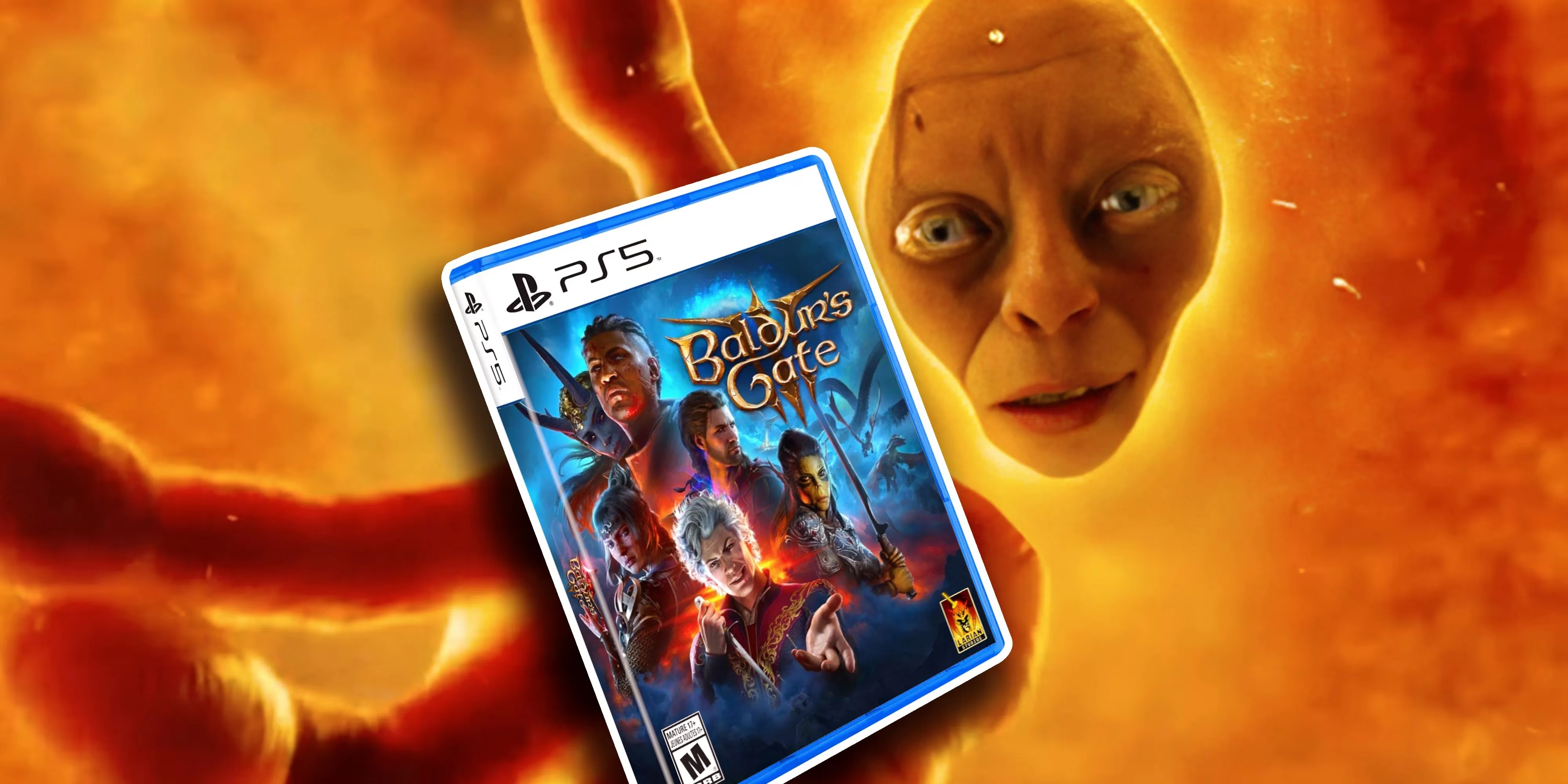
Baldur's Gate 3 is not a live-service game, yet it has started to behave like one, and I think both Larian Studios and the community share the blame. Larian's updates have been well-intentioned, but constant tweaking has created the impression that nothing in the game is final. Since release, we have seen an epilogue party, new evil endings, new kissing animations, more companion interactions, and the normalization of an unintended, convoluted way to recruit Minthara without the prerequisite murder. Each change arrived with a smile, but together they send a message: if enough people ask, the vision can move.
| Change | What it did | Why it unsettled me |
|---|---|---|
| 🎉 Epilogue party | Added a warm reunion | Turned ambiguous endings into group therapy |
| 🩸 New evil endings | Gave darker paths more screen time | Encouraged 'fix-it' demands rather than acceptance |
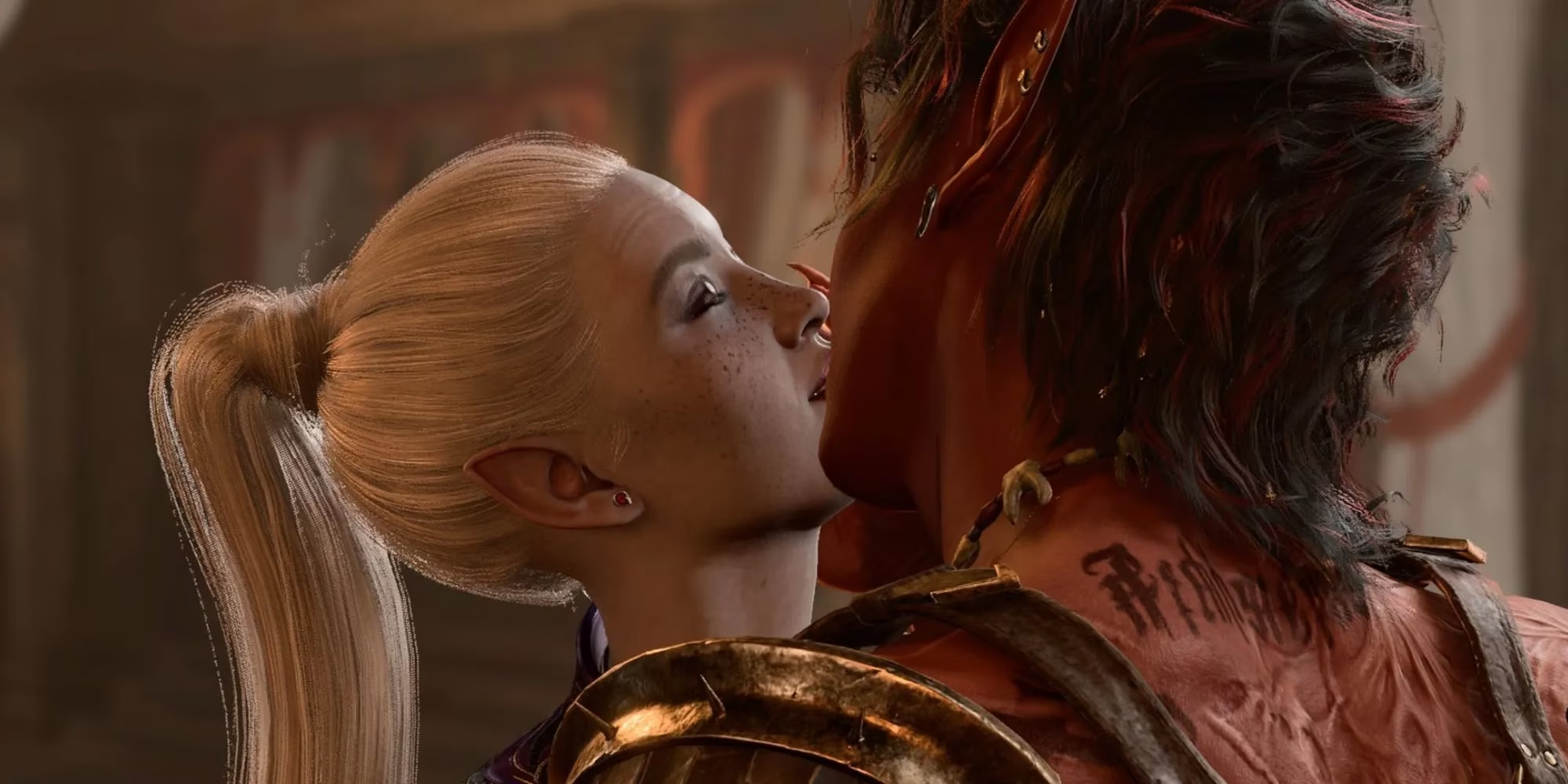
| 💋 New kissing animations | Expanded romance fan service | Shifted focus from story to ship content |
| 🧝 Minthara recruitment normalization | Removed the moral cost | Took the edge off a ruthless character |
Almost none of these changes were necessary. They were added to appease a vocal minority: players who wanted Minthara without paying the moral price, players who could not accept that some companion arcs are too complicated to be miraculously solved once the credits roll, and players who treat romance as a reward dispenser rather than a layered part of character writing. Romance in Baldur's Gate 3 used to feel realistically tangled. Now it sometimes feels like a 'more is more' approach, where every interaction is expected to produce an ever-increasing amount of fan service.
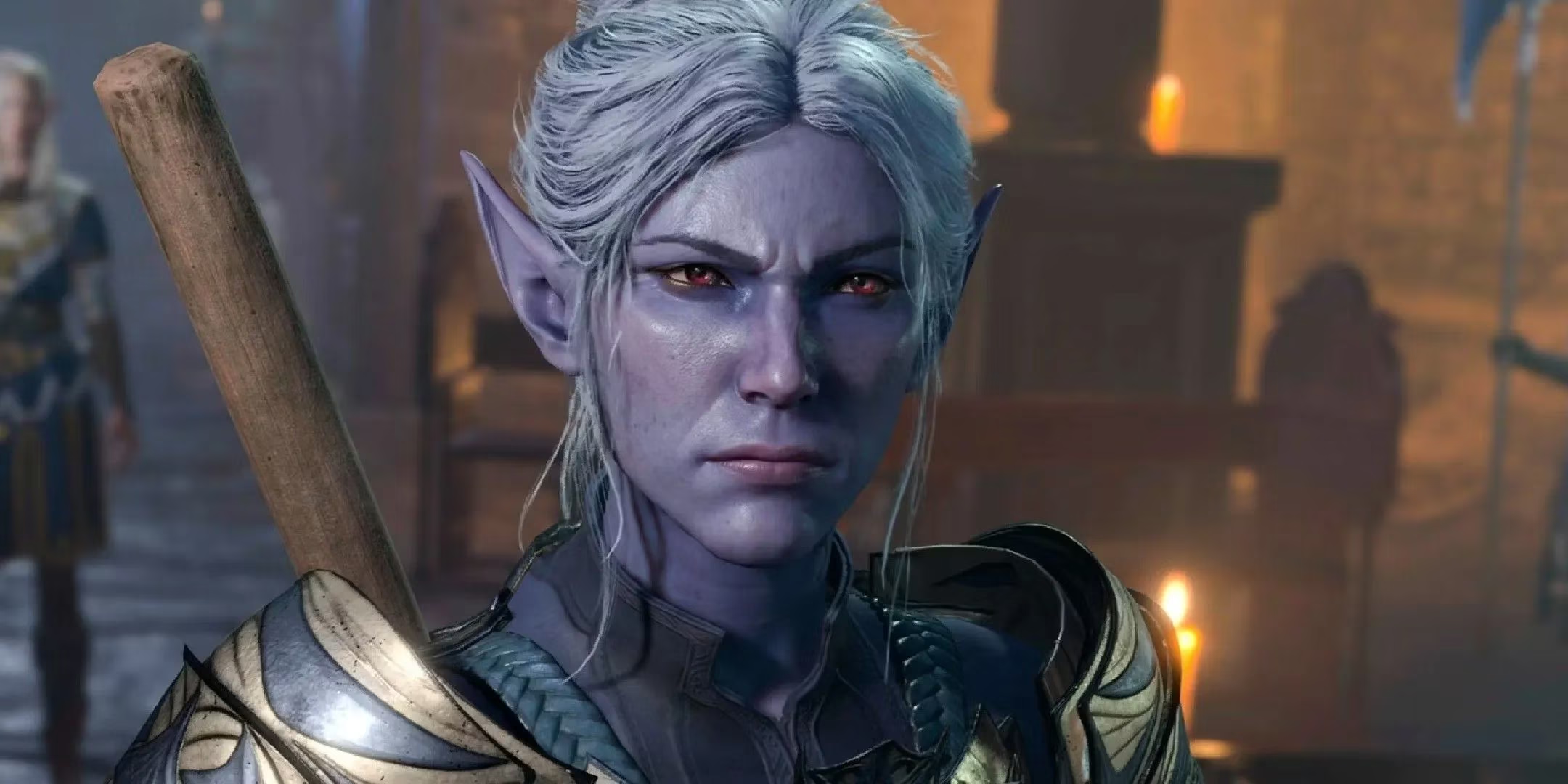
Is Baldur's Gate 3 a homage to a legendary game series, filled with interesting characters, engaging narratives, and an enthralling open world? Or is it becoming an elaborate dating simulator, crafted to foster a connection between the player and their object of affection? I am not saying romance should not matter. It matters enormously. But each patch's focus on fleshing out these interactions raises a question I cannot shake: who is Larian updating the game for? By adding features, the game is losing some of its character.
Larian is catering to the 'mega fan,' a particularly online breed of Baldur's Gate 3 player. These are the people you see under every social media post, the type to debate whether an Ascended Astarion romance is abusive (it is) or accuse Larian of prejudice because Wyll does not have as much going on as some other characters. They love their proclaimed wife or husband, and they would appreciate more reactivity at certain moments to fulfill their fantasies. It is not surprising, but it has become increasingly militant as patches have rolled in over the years.
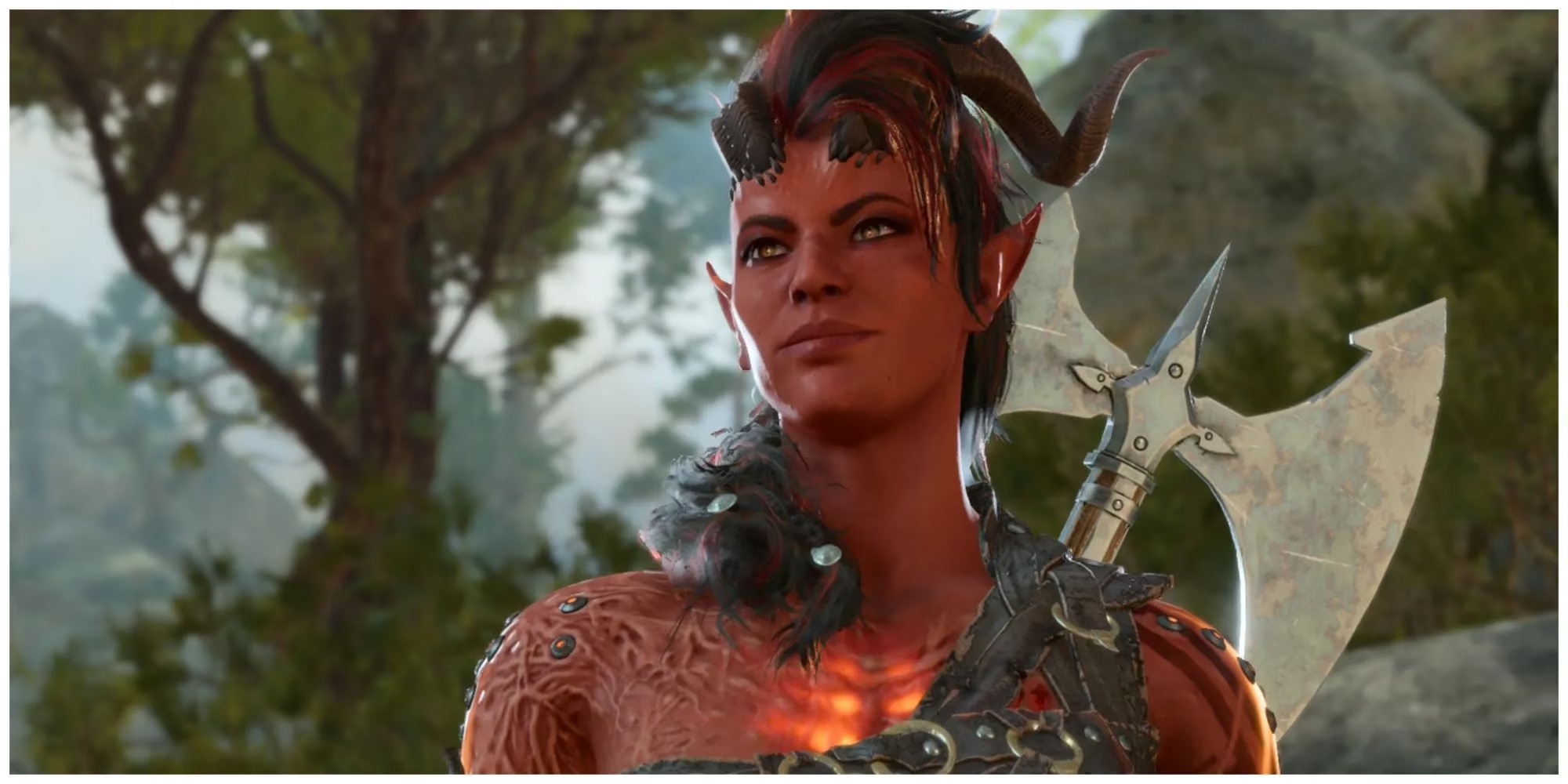
Larian's willingness to placate this type of player is not unexpected. These fans post the most, shout demands directly at Larian endlessly, and are ostensibly the most dedicated, with hundreds of hours across multiple playthroughs. But a large swathe of Baldur's Gate 3 players simply played the game and moved on. Perhaps they played it a couple of times to see more content. That is the reality of any popular game: the majority who are pleased do not feel the need to voice their opinions online.
While the majority are satisfied, the biggest fans believe Larian has a duty to shape the game around their individual interpretations of the characters and narrative. And they have no problem letting the studio know. Parasocial relationships have formed not only with the characters in Baldur's Gate 3, but also with their creators. People feel a personal connection to Larian, partly thanks to the studio's willingness to engage with the community and its casual communication style, but this has allowed them to make demands Larian has largely caved to.
I understand that these are fully realized characters with hundreds of lines of dialogue, motion-captured facial animations, and, importantly, you can see them naked if you are nice to them. Naturally, players are going to form strong attachments. But everyone needs to be cognizant that the game was not made solely for them and their preferences. Adopting headcanon and writing fan fiction are tools fans have used for decades to fulfill their normative view of media, and the Wattpad faithful of old never needed the original author to change their vision.
The constant demands made of Larian by the most ardent in the community are tiring to witness. No, Larian is not going to do extensive rewrites years after release because you calculated that a character has one page more dialogue than another. No, we do not need Larian to add a happy, conclusive ending to the character who was written to have a tragic and ambiguous fate. And we definitely do not need a facial expression changed because you do not think a character is reacting appropriately to certain situations.
The ability of everyone to immediately publicize their opinions has changed how certain people engage with the medium. Could you imagine writing a letter to Todd Howard in 2003 complaining that Ahnassi just does not seem too buzzed about her new relationship with the player? Maybe someone did, but I did not have to read thousands of people enabling their delusion either.
Baldur's Gate 3 is a masterpiece, and I wish everyone were able to accept the occasional shortcoming or perceived flaw. Larian had a vision when it shipped the game, and that original vision is far more important than the collective demands of a community that has been coddled. The game is finished: the characters written, the plot unfolded, and the romance blossomed. In 2026, everyone needs to accept that.
The following analysis references GamesIndustry.biz, whose reporting on developer-community dynamics helps frame why ongoing post-launch support can blur the line between refinement and revisionism. In the case of Baldur's Gate 3, that perspective reinforces the concern that repeated audience-driven updates may gradually shift a completed RPG away from a defined artistic endpoint and toward an expectation of perpetual responsiveness.